BREAKING NEWS 🧠 TechSage Hardware Analyst The Mechanics of a Comeback: FURIA’s Resilience in Cluj-Napoca In the high-stakes environment of the PGL Cluj-Napoca 2026 Major , the second round of the Opening Stage has already provided a definitive case study in mental fortitude and tactical recalibration. FURIA , the Brazilian powerhouse, secured a pivotal second-round victory following a performance that transitioned from a technical deficit to a masterclass in mid-game adaptation. From a professional standpoint, this match was not merely a display of individual skill but a demonstration of how optimized utility usage and economic management can override an initial disadvantage in the server. Read Also: PGL Cluj-Napoca 2026: A 'Thriller' or Just a Glorified Clown Fiesta? The match began with FURIA struggling to find their footing against a disciplined defensive l...
BREAKING NEWS
🧠
TechSage
Hardware Analyst
The Post-AI Fatigue: Dell’s Hardware Realignment
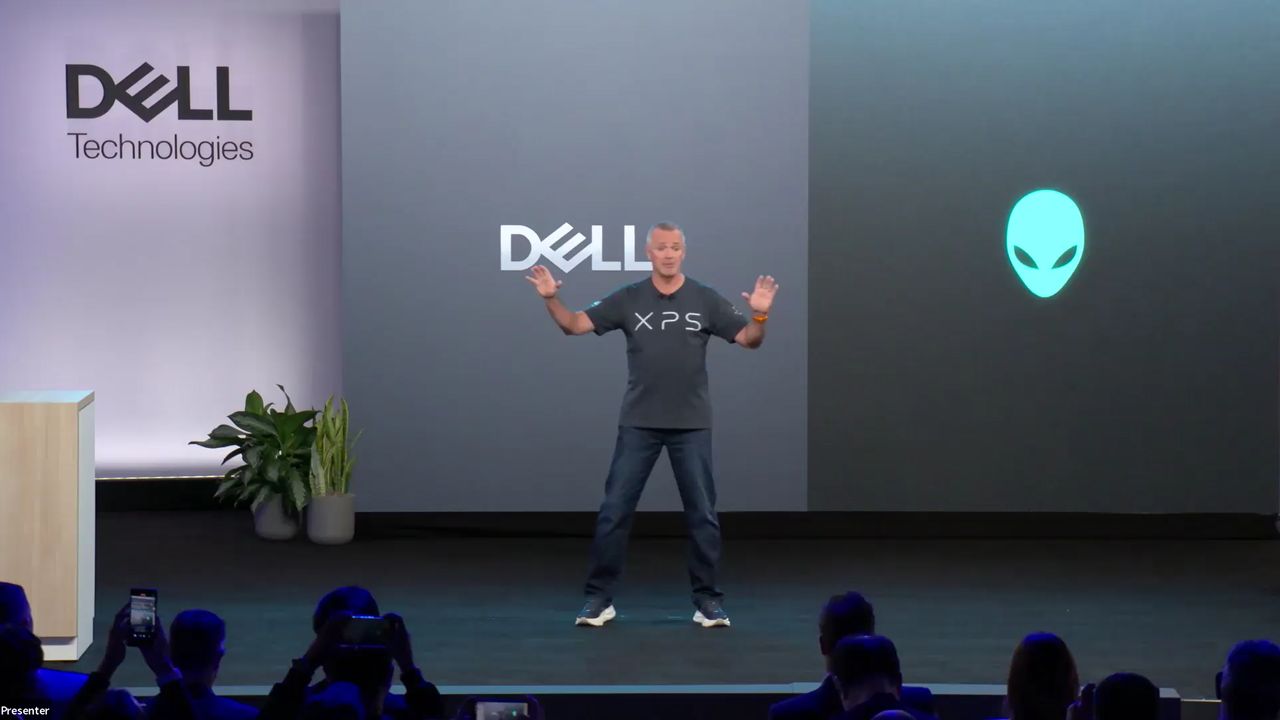
For the past twenty-four months, the consumer electronics industry has been engulfed in a singular narrative: the AI PC. Every briefing, product launch, and keynote at previous CES events was measured by NPU (Neural Processing Unit) TOPS counts and generative software integrations. However, Dell’s presence at CES 2026 marks a significant departure from this trend. In what industry insiders are calling the most 'un-AI' briefing in half a decade, Dell has pivoted its focus back to the fundamental pillars of computing: thermal efficiency, display technology, and chassis engineering.
Read Also: Optimization Over Abundance: Analyzing the Cut Ashley Graham Intro in Resident Evil 4 Remake
This shift is not merely a marketing choice; it is a calculated business move. As the initial hype surrounding local AI execution stabilizes, enterprise clients and professional users are demanding tangible performance metrics over speculative software features. Dell’s 2026 roadmap emphasizes the refinement of the XPS and Latitude lines, prioritizing build quality and long-term reliability over the 'AI-first' branding that dominated the 2024-2025 cycle.
Technical Specifications: Returning to Performance Fundamentals
The core of Dell’s latest briefing centered on hardware specifications that impact the daily workflow of power users. While AI capabilities remain integrated at the silicon level via the latest Intel and AMD architectures, they are no longer the focal point of the presentation. Instead, Dell highlighted several key engineering milestones:
- Advanced Thermal Management: New vapor chamber designs in the XPS 14 and 16 models that allow for a 15% increase in sustained TDP (Thermal Design Power) without increasing fan acoustics.
- Display Evolution: The introduction of Tandem OLED panels across the premium lineup, offering 2,000 nits of peak brightness and significantly improved power efficiency compared to standard OLED iterations.
- Battery Density: A shift toward new anode chemistries that provide a 10% increase in watt-hour capacity within the same physical footprint.
- I/O Standardization: Acknowledging professional feedback by maintaining a balance of Thunderbolt 5 ports and high-speed SD card slots, moving away from the ultra-minimalist 'dongle-dependent' designs of recent years.
By focusing on these metrics, Dell is addressing the diminishing returns of AI-specific marketing. For the professional workstation market, a 20% reduction in thermal throttling is far more valuable than a dedicated Copilot key or a pre-installed LLM interface that many enterprise IT departments may disable for security reasons.
The TechSage Perspective: Business Impact and Market Maturity
From a business analysis standpoint, Dell’s strategy reflects the 'Trough of Disillusionment' in the Gartner Hype Cycle for AI. The industry has reached a point where AI features are expected to be present but are no longer a primary differentiator. When every laptop on the shelf has an NPU, the 'AI PC' label becomes redundant. Dell is wisely repositioning itself as the engineering-first choice for the enterprise sector.
This 'un-AI' approach also serves to mitigate the risk of consumer fatigue. Buyers are increasingly skeptical of 'AI-washing'—the practice of rebranding standard software features as revolutionary artificial intelligence. By emphasizing tangible hardware improvements, Dell builds credibility with the Prosumer and Enterprise segments. Furthermore, this focus on hardware longevity aligns with global sustainability trends and the 'Right to Repair' movement, as more robust chassis designs often translate to longer device lifecycles and better ROI for corporate fleets.
Conclusion: A Sophisticated Shift in the PC Landscape
Dell’s CES 2026 briefing signals a maturation of the PC market. The transition from 'AI as a gimmick' to 'AI as a background utility' allows manufacturers to compete once again on the merits of their physical engineering. For the first time in years, the conversation has returned to how a laptop feels, how it cools, and how long it lasts. This is a net positive for the industry, forcing competitors to innovate on hardware rather than relying on software-based marketing crutches.
🏆 Gamer Verdict
8.5/10 HYPE
"Dell successfully pivots from AI hype to tangible engineering excellence, prioritizing professional needs over marketing buzzwords."
✅ The Good
- Focus on thermal management and sustained performance metrics.
- Adoption of Tandem OLED technology for superior display quality.
❌ The Bad
- Risk of appearing 'behind' to consumers who are still swayed by AI branding.
- Higher manufacturing costs associated with premium materials and cooling.
🌍 Global Quick Take
🇮🇳 Hindi: डेल ने एआई मार्केटिंग से हटकर हार्डवेयर प्रदर्शन और निर्माण गुणवत्ता पर ध्यान केंद्रित करना शुरू कर दिया है।
🇪🇸 Spanish: Dell ha cambiado su enfoque de la mercadotecnia de IA hacia el rendimiento del hardware y la calidad de construcción.
🛒 Check Price for Laptop
As an Amazon Associate, we earn from qualifying purchases.
Tags: #Dell #CES2026 #HardwareSpecs #EnterpriseTech #LaptopTrends
Stay tuned for more gaming updates! Subscribe to our feed.
Source: Read Original Article
Comments
Post a Comment