BREAKING NEWS 🧠 TechSage Hardware Analyst The Mechanics of a Comeback: FURIA’s Resilience in Cluj-Napoca In the high-stakes environment of the PGL Cluj-Napoca 2026 Major , the second round of the Opening Stage has already provided a definitive case study in mental fortitude and tactical recalibration. FURIA , the Brazilian powerhouse, secured a pivotal second-round victory following a performance that transitioned from a technical deficit to a masterclass in mid-game adaptation. From a professional standpoint, this match was not merely a display of individual skill but a demonstration of how optimized utility usage and economic management can override an initial disadvantage in the server. Read Also: PGL Cluj-Napoca 2026: A 'Thriller' or Just a Glorified Clown Fiesta? The match began with FURIA struggling to find their footing against a disciplined defensive l...
BREAKING NEWS
🧠
TechSage
Hardware Analyst
Market Analysis: The Anomalous Longevity of Mega Crit’s Roguelike Deckbuilder
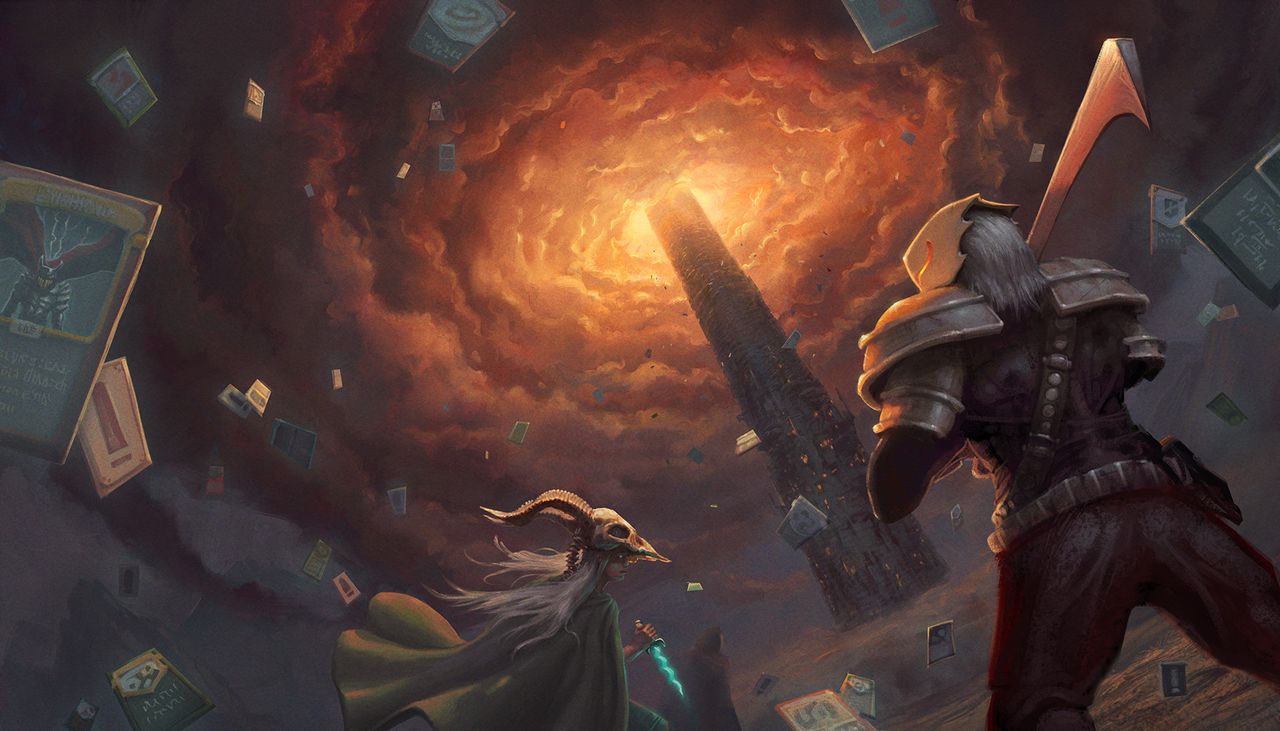
In the contemporary gaming landscape, software products typically adhere to a predictable decay curve. Following the initial launch surge, concurrent user (CCU) metrics generally decline as the market reaches saturation. However, Slay the Spire has defied these industry standards. Nearly seven years after its initial Early Access debut in 2017, the title has achieved a new all-time concurrent player peak on the Steam platform. This development serves as a significant case study in long-tail revenue generation and community retention without the reliance on aggressive live-service monetization models.
Read Also: Analyzing the 2025 Surge of Word-Based Roguelikes: Performance and Market Sustainability
The Factors Driving CCU Growth
Data from SteamDB indicates that the title surpassed its previous performance benchmarks during the current holiday season. Several variables have converged to create this 'perfect storm' for Mega Crit:
- Strategic Brand Awareness: The announcement of Slay the Spire 2 earlier this year has renewed interest in the original IP, acting as a functional marketing funnel for new and returning users.
- Holiday Market Penetration: Deep discounting during the Steam Winter Sale, combined with the game's high 'performance-per-dollar' ratio, makes it an optimal entry point for genre newcomers.
- Platform Optimization: Continued stability and the absence of technical debt have ensured the game remains accessible even on low-spec hardware, broadening the potential install base.
TechSage’s Take: A Masterclass in ROI and Game Design
From a business and performance perspective, Slay the Spire represents the gold standard of the indie 'AA' sector. While modern AAA titles often struggle with ballooning budgets and 100GB+ footprints, Mega Crit has maintained a lean, high-replayability product. The game’s design—rooted in procedural generation and tight mathematical balance—allows for an almost infinite gameplay loop with zero recurring server costs for the developer. The fact that the 'Slay bells are jingling' seven years later proves that a mechanically sound core loop is more effective for long-term sustainability than seasonal battle passes.
Conclusion: The Future of the IP
As we observe this peak, it is clear that Slay the Spire has transitioned from a successful indie hit to a genre-defining staple. For investors and developers, the lesson is clear: organic growth driven by quality and word-of-mouth remains a potent force in the digital marketplace. We expect these metrics to remain elevated as anticipation for the sequel builds throughout 2025.
🏆 Gamer Verdict
9.5/10 HYPE
"A rare example of a title achieving peak market relevance nearly a decade into its lifecycle."
✅ The Good
- Exceptional long-term player retention and organic growth.
- Optimized performance with minimal hardware overhead.
❌ The Bad
- Niche genre appeal may limit total addressable market (TAM) expansion.
- Visual assets may appear dated compared to modern genre competitors.
🌍 Global Quick Take
🇮🇳 Hindi: Slay the Spire ने रिलीज़ के 7 साल बाद स्टीम पर अपने अब तक के सबसे अधिक सक्रिय खिलाड़ियों का नया रिकॉर्ड बनाया है।
🇪🇸 Spanish: Slay the Spire ha alcanzado un nuevo máximo histórico de jugadores simultáneos en Steam casi siete años después de su lanzamiento.
Tags: #SlaytheSpire #SteamDB #MarketTrends #IndieGames #MegaCrit
Stay tuned for more gaming updates! Subscribe to our feed.
Source: Read Original Article
Comments
Post a Comment