BREAKING NEWS 🧠 TechSage Hardware Analyst The Mechanics of a Comeback: FURIA’s Resilience in Cluj-Napoca In the high-stakes environment of the PGL Cluj-Napoca 2026 Major , the second round of the Opening Stage has already provided a definitive case study in mental fortitude and tactical recalibration. FURIA , the Brazilian powerhouse, secured a pivotal second-round victory following a performance that transitioned from a technical deficit to a masterclass in mid-game adaptation. From a professional standpoint, this match was not merely a display of individual skill but a demonstration of how optimized utility usage and economic management can override an initial disadvantage in the server. Read Also: PGL Cluj-Napoca 2026: A 'Thriller' or Just a Glorified Clown Fiesta? The match began with FURIA struggling to find their footing against a disciplined defensive l...
BREAKING NEWS
🧠
TechSage
Hardware Analyst
Introduction: The Resurgence of Niche Simulation Titles
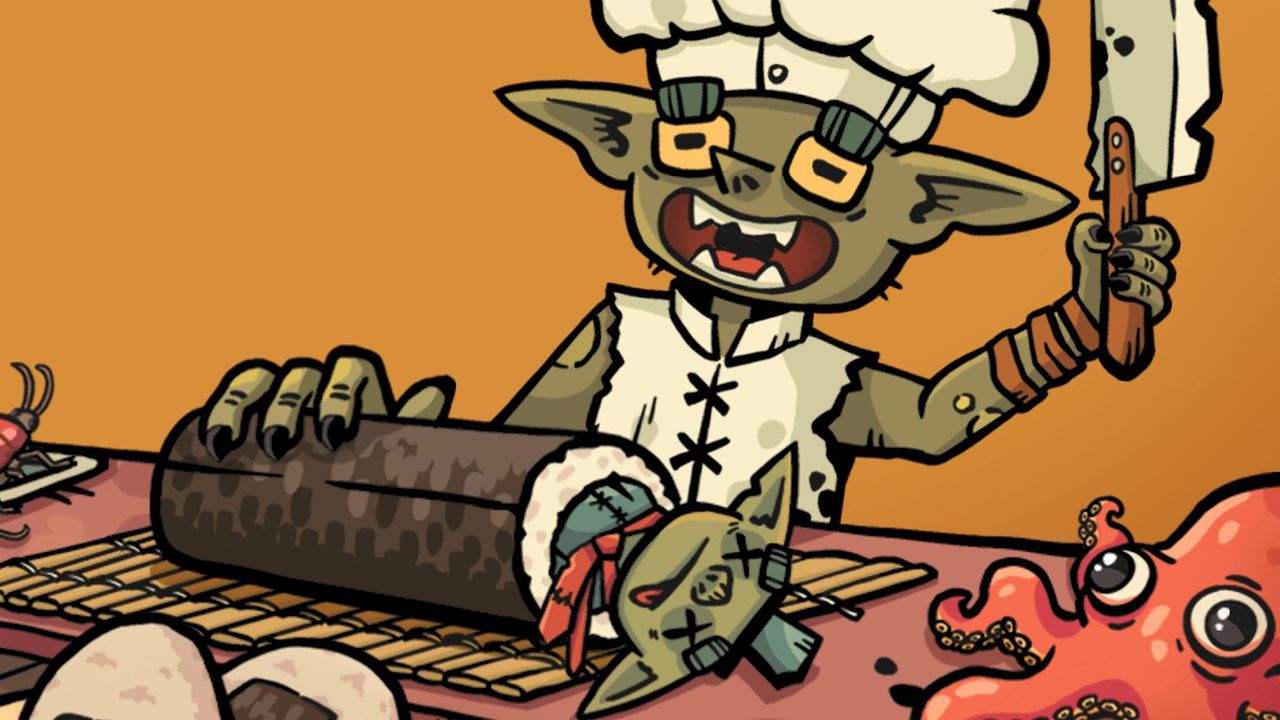
In the current gaming landscape, the simulation genre has undergone a significant transformation. No longer confined to broad-market appeal, developers are increasingly finding success by targeting highly specific, thematic niches. The latest entry into this competitive vertical is Goblin Sushi, a title that merges the mechanical complexity of a culinary simulator with a distinct high-fantasy aesthetic. While the premise may appear whimsical, the underlying business logic suggests a calculated attempt to capture the growing demographic of players who prioritize 'cozy' yet mechanically dense management experiences.
Technical Overview and Core Gameplay Mechanics
From a technical standpoint, Goblin Sushi focuses on a high-velocity feedback loop common in modern time-management titles. Players assume the role of a goblin chef tasked with the preparation and distribution of sushi to a demanding clientele of fellow goblins. Based on early reports, the game emphasizes precision-based input and resource management. Key technical features expected include:
- Dynamic Ingredient Physics: Real-time slicing and assembly mechanics that require precise cursor or controller input.
- Customer AI Pathing: Complex NPC behavior modules that dictate patience levels, seat preference, and tipping algorithms.
- Progression Systems: A tiered kitchen upgrade path involving the purchase of industrial-grade goblin technology to optimize throughput.
The developer has hinted at a robust optimization pipeline, ensuring that the game maintains a stable 60 FPS even during peak 'rush hour' sequences where the screen is saturated with NPC assets and particle effects from the cooking stations.
Business Impact and Market Positioning
The decision to utilize goblins as the primary customer base is a strategic branding move. By pivoting away from the sterile environments of traditional cooking simulators, the developers are leveraging the 'fantasy-industrial' aesthetic that has proven successful in titles like Potion Craft or Dave the Diver. This thematic choice allows for creative liberties in ingredient sourcing—moving beyond traditional tuna and salmon to more exotic, lore-appropriate fauna—thereby increasing the potential for unique DLC expansions and long-term player retention.
Furthermore, the snippet 'If I could I'd be gobblin' sushi every day' highlights the game's marketing strategy. While the pun is lighthearted, it serves as a 'sticky' social media hook intended to drive organic engagement on platforms like TikTok and X (formerly Twitter). From a business perspective, this lowers the Cost Per Acquisition (CPA) by encouraging user-generated content and memes, which are vital for indie titles with limited marketing budgets.
The TechSage Perspective: Performance and Scalability
When analyzing Goblin Sushi through a professional lens, the primary concern is the scalability of its engine. Most simulators in this category utilize Unity or Godot. For Goblin Sushi to succeed in the long term, it must demonstrate a clean UI/UX that can handle complex inventory management without overwhelming the player. The integration of 'goblin-specific' mechanics—such as potential hygiene challenges or chaotic kitchen events—will determine if the game is a deep simulation or a superficial reskin of existing mobile-style apps.
From a hardware perspective, the game appears to be targeting a wide install base, including integrated graphics solutions and handheld consoles like the Steam Deck. Maintaining a low overhead while delivering high-fidelity textures on the sushi models is a delicate balance, but one that is necessary for the 'food porn' aspect of the genre to resonate with the audience.
Conclusion: A Calculated Entry in the Simulation Sector
Goblin Sushi represents a sophisticated intersection of niche thematic branding and established simulation mechanics. By focusing on a specific demographic—sushi-loving goblins—the developers have carved out a unique identity in a crowded market. If the technical execution matches the creative ambition, particularly regarding the fluidity of the cooking mechanics and the depth of the management systems, Goblin Sushi is positioned to be a notable performer in the indie simulation space for the upcoming fiscal year.
🏆 Gamer Verdict
7.4/10 HYPE
"A technically sound simulation title that leverages a unique fantasy niche to differentiate itself from generic competitors."
✅ The Good
- Strong thematic cohesion and brandable 'sticky' marketing.
- Scalable gameplay mechanics suitable for various hardware profiles.
❌ The Bad
- Risk of repetitive gameplay loops common in the culinary sub-genre.
- Heavy reliance on the 'cozy' aesthetic which is becoming oversaturated.
🌍 Global Quick Take
🇮🇳 Hindi: गोब्लिन सुशी एक कुकिंग सिमुलेशन गेम है जहां खिलाड़ी अन्य गोब्लिन के लिए सुशी तैयार करते हैं, जो फंतासी और प्रबंधन यांत्रिकी का मिश्रण है।
🇪🇸 Spanish: Goblin Sushi es un simulador de cocina donde los jugadores preparan sushi para otros duendes, combinando fantasía con mecánicas de gestión.
Tags: #IndieGames #Simulation #BusinessAnalysis #CookingGames #PCGaming
Stay tuned for more gaming updates! Subscribe to our feed.
Source: Read Original Article
Comments
Post a Comment