BREAKING NEWS 🧠 TechSage Hardware Analyst The Mechanics of a Comeback: FURIA’s Resilience in Cluj-Napoca In the high-stakes environment of the PGL Cluj-Napoca 2026 Major , the second round of the Opening Stage has already provided a definitive case study in mental fortitude and tactical recalibration. FURIA , the Brazilian powerhouse, secured a pivotal second-round victory following a performance that transitioned from a technical deficit to a masterclass in mid-game adaptation. From a professional standpoint, this match was not merely a display of individual skill but a demonstration of how optimized utility usage and economic management can override an initial disadvantage in the server. Read Also: PGL Cluj-Napoca 2026: A 'Thriller' or Just a Glorified Clown Fiesta? The match began with FURIA struggling to find their footing against a disciplined defensive l...
BREAKING NEWS
🧠
TechSage
Hardware Analyst
The Strategic Importance of the Liberl Arc Remake
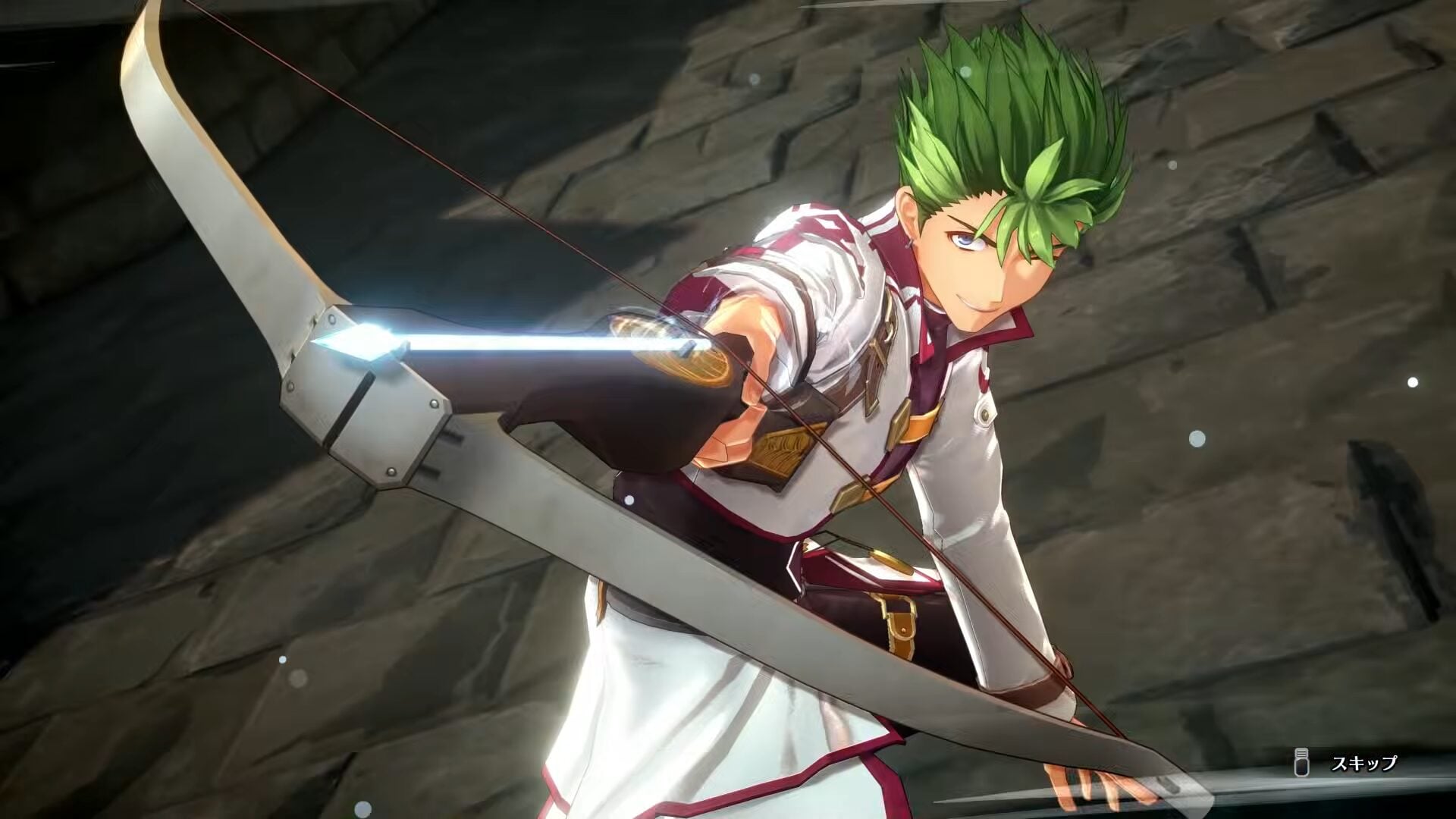
Nihon Falcom’s strategic roadmap for the Trails (Kiseki) series has reached a pivotal milestone with the unveiling of the Trails in the Sky 2nd Chapter special trailer at the Taipei Game Show 2026. From a business perspective, this move signals Falcom's commitment to consolidating its legacy IP into a modern, unified engine. By remaking the 'Liberl Arc,' Falcom is not merely catering to nostalgia; they are lowering the barrier to entry for a franchise that has historically suffered from platform fragmentation and dated presentation. The decision to showcase this at TGS 2026 underscores the immense value of the East Asian market, where the brand maintains its strongest per-capita engagement.
Read Also: Technical Analysis: Scott Pilgrim EX and the Strategic Expansion of the Beat-Em-Up Genre
Technical Specifications and Engine Performance
The trailer demonstrates a significant leap in visual fidelity, utilizing the proprietary engine first debuted in Trails through Daybreak. This engine transition allows for seamless transitions between exploration and combat, a feature that was technically impossible during the original 2006 release on the PSP and PC. Observation of the footage suggests a target resolution of 4K at 60 FPS on high-end consoles, with a focus on Physically Based Rendering (PBR) for environmental textures. The lighting engine has seen a complete overhaul, moving away from static light maps to dynamic global illumination, which is particularly evident in the rendering of Grancel City’s coastal regions. Performance metrics indicate that Falcom is prioritizing asset optimization to ensure parity across the Nintendo Switch's successor and the PlayStation 5, maintaining a stable frame rate even during complex S-Break animations.
The Evolution of the AT Battle System
Functionally, the remake introduces a hybridized version of the AT (Action Time) Battle System. While the original 2nd Chapter relied on a strictly turn-based grid, the 2026 iteration incorporates real-time movement elements within the tactical field. This refinement reduces the 'dead time' between turns, increasing the operational tempo of encounters. From a technical standpoint, the AI pathfinding for party members has been significantly improved to handle the new 3D geometry of the battlefields. Furthermore, the UI (User Interface) has been redesigned for high-density displays, replacing the low-resolution bitmaps of the original with vector-based assets that maintain clarity at any scaling factor. This is a critical adjustment for modern accessibility standards and high-resolution monitors.
TechSage’s Take: Business Impact and Sustainability
From an industry analyst's perspective, Falcom’s decision to remake SC (Second Chapter) immediately following the first remake is a masterclass in asset reuse and development efficiency. Since the geographical locations in the first and second chapters overlap significantly, Falcom can maximize the ROI (Return on Investment) of their high-fidelity 3D models of Grancel, Rolent, and Bose. This approach drastically reduces the R&D costs typically associated with a sequel of this magnitude. Furthermore, by modernizing these titles, Falcom is securing a long-term revenue stream through digital storefronts where the original 2D sprites were becoming a harder sell to the Gen Z demographic. The business impact is clear: Falcom is building a scalable ecosystem that can sustain the franchise until the eventual series finale.
Conclusion: A Benchmark for JRPG Remasters
The Taipei Game Show 2026 trailer confirms that Trails in the Sky 2nd Chapter is more than a visual facelift; it is a fundamental re-engineering of a classic. By leveraging their new internal engine and focusing on cross-platform optimization, Falcom is ensuring that the most critically acclaimed chapter of the Liberl arc is prepared for the next decade of gaming hardware. Investors and fans alike should view this as a stabilizing move for the company’s portfolio, bridging the gap between the conclusion of the Calvard arc and the next major entry in the series.
🏆 Gamer Verdict
9.2/10 HYPE
"A high-fidelity restoration that leverages modern engine capabilities to revitalize a narrative masterpiece."
✅ The Good
- Proprietary engine provides excellent lighting and texture density.
- Strategic asset reuse ensures a faster development cycle and consistency.
❌ The Bad
- Potential hardware limitations on hybrid consoles for 60FPS targets.
- Increased development costs compared to traditional 'Evolution' ports.
🌍 Global Quick Take
🇮🇳 Hindi: फालकॉम ने ताइपे गेम शो 2026 में 'ट्रैल्स इन द स्काई 2nd चैप्टर' का एक विशेष ट्रेलर जारी किया है, जो आधुनिक ग्राफिक्स और बेहतर प्रदर्शन पर केंद्रित है।
🇪🇸 Spanish: Falcom ha lanzado un tráiler especial de 'Trails in the Sky 2nd Chapter' en el Taipei Game Show 2026, destacando mejoras técnicas y de rendimiento.
Tags: #NihonFalcom #TrailsintheSky #TGS2026 #JRPGTech #GameDevelopment
Stay tuned for more gaming updates! Subscribe to our feed.
Source: Read Original Article
Comments
Post a Comment