BREAKING NEWS 🧠 TechSage Hardware Analyst The Mechanics of a Comeback: FURIA’s Resilience in Cluj-Napoca In the high-stakes environment of the PGL Cluj-Napoca 2026 Major , the second round of the Opening Stage has already provided a definitive case study in mental fortitude and tactical recalibration. FURIA , the Brazilian powerhouse, secured a pivotal second-round victory following a performance that transitioned from a technical deficit to a masterclass in mid-game adaptation. From a professional standpoint, this match was not merely a display of individual skill but a demonstration of how optimized utility usage and economic management can override an initial disadvantage in the server. Read Also: PGL Cluj-Napoca 2026: A 'Thriller' or Just a Glorified Clown Fiesta? The match began with FURIA struggling to find their footing against a disciplined defensive l...
BREAKING NEWS
🧠
TechSage
Hardware Analyst
Analyzing the Strategic Shift in Creative Assembly’s Portfolio
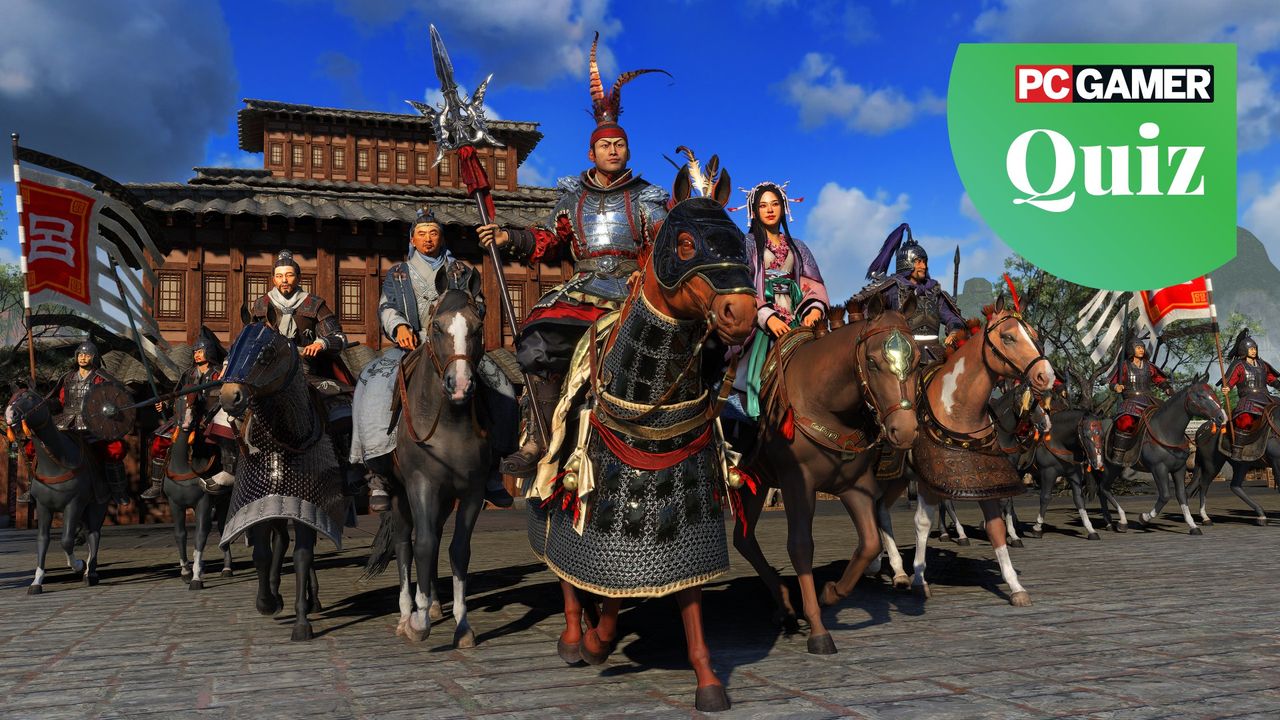
In the landscape of grand strategy gaming, few titles have achieved the commercial velocity and technical refinement of Total War: Three Kingdoms. Released in 2019, this title represented a pivotal moment for Creative Assembly (CA) and SEGA, successfully bridging the gap between historical authenticity and character-driven narrative. However, as the industry pivots toward the long-anticipated rumors of Medieval 3, the sudden cessation of support for Three Kingdoms remains a significant case study in product lifecycle management and market positioning.
Read Also: Technical Analysis: The Strategic Significance of the Xbox Series S in the Next-Gen Landscape
From a technical perspective, Three Kingdoms introduced substantial iterations to the proprietary Warscape Engine. It optimized multi-core processor utilization more effectively than its predecessors, a necessity for simulating the complex AI calculations required for its revamped diplomacy system. The game’s performance metrics on high-end hardware demonstrated a sophisticated balance between draw calls for massive unit counts and the granular detail of individual hero units. This technical foundation is precisely why the lack of a direct sequel reveal has left a void in the market, despite the commercial success of the title in the East Asian demographic.
Technical Specifications and Performance Benchmarks
The architecture of Total War: Three Kingdoms was designed to leverage 64-bit architecture to its fullest, moving away from the bottlenecks that plagued earlier titles like Attila. On a standard testing rig equipped with an NVIDIA RTX 3080 and an AMD Ryzen 9 5900X, the game maintains a stable frame rate even during 40-unit-stack engagements. This stability is attributed to the optimized rendering pipeline and improved lighting models that utilized screen-space reflections without the overhead of full ray tracing.
- Engine: Iterative 64-bit Warscape Engine.
- API: DirectX 11 and DirectX 12 support (with DX11 often providing superior stability).
- AI Processing: Enhanced multi-threading for campaign map logic and pathfinding.
- UI/UX: A complete overhaul using vector-based assets to ensure 4K scalability.
The business impact of these technical choices was clear. By ensuring the game ran efficiently across a wide range of hardware—specifically targeting the massive PC café market in China—CA secured over 1.5 million units sold within the first week of launch. This remains a record for the franchise, highlighting the intersection of technical accessibility and targeted market expansion.
TechSage’s Take: The Strategic Pivot to Medieval 3
As a professional observer of the industry, the current silence regarding a Three Kingdoms sequel, contrasted with the persistent rumors of Medieval 3, suggests a strategic reallocation of resources. Creative Assembly appears to be consolidating its historical development teams to address the 'Legacy Demand.' While Three Kingdoms was a financial triumph, Medieval 2 remains the most critically acclaimed historical title in the company’s history. Developing Medieval 3 is not just a creative endeavor; it is a defensive move to reclaim the core Western audience that may have felt alienated by the 'Romance' mechanics of the Three Kingdoms era.
However, from a performance standpoint, a move to Medieval 3 would necessitate a significant engine leap. We are likely looking at the integration of more advanced global illumination and potentially a shift toward a more modular asset system to handle the diverse architectural styles of a pan-European map. The business risk here is high: the development costs for a modern Medieval title will be exponential compared to its 2006 predecessor, requiring a massive return on investment that necessitates broad, global appeal.
Conclusion: The Future of Grand Strategy Infrastructure
Whether Creative Assembly officially announces Medieval 3 or returns to the Three Kingdoms era, the focus will remain on the scalability of their technology. The 'Three Kingdoms' project proved that deep diplomatic systems and character-centric gameplay can drive record sales. For the next iteration of Total War to succeed, it must maintain this level of mechanical depth while pushing the boundaries of real-time battle simulation. The industry is watching to see if CA will iterate on their existing engine or move toward a third-party solution like Unreal Engine 5 to handle the next generation of grand strategy.
🏆 Gamer Verdict
8.2/10 HYPE
"Three Kingdoms set a high technical bar, making the anticipation for Medieval 3 a significant market event."
✅ The Good
- Superior optimization for multi-core processors.
- Revolutionary diplomacy system that redefined the genre.
❌ The Bad
- Abrupt end of content support for Three Kingdoms.
- Uncertainty regarding engine upgrades for future titles.
🌍 Global Quick Take
🇮🇳 Hindi: जबकि मिडिवल 3 की अफवाहें तेज हैं, टोटल वॉर: थ्री किंगडम्स की तकनीकी और व्यावसायिक विरासत क्रिएटिव असेंबली के लिए एक बेंचमार्क बनी हुई है।
🇪🇸 Spanish: Mientras surgen rumores sobre Medieval 3, el legado técnico y comercial de Total War: Three Kingdoms sigue siendo un punto de referencia para Creative Assembly.
Tags: #TotalWar #ThreeKingdoms #Medieval3 #CreativeAssembly #PCGamingSpecs #GameIndustryAnalysis
Stay tuned for more gaming updates! Subscribe to our feed.
Source: Read Original Article
Comments
Post a Comment