BREAKING NEWS 🧠 TechSage Hardware Analyst The Mechanics of a Comeback: FURIA’s Resilience in Cluj-Napoca In the high-stakes environment of the PGL Cluj-Napoca 2026 Major , the second round of the Opening Stage has already provided a definitive case study in mental fortitude and tactical recalibration. FURIA , the Brazilian powerhouse, secured a pivotal second-round victory following a performance that transitioned from a technical deficit to a masterclass in mid-game adaptation. From a professional standpoint, this match was not merely a display of individual skill but a demonstration of how optimized utility usage and economic management can override an initial disadvantage in the server. Read Also: PGL Cluj-Napoca 2026: A 'Thriller' or Just a Glorified Clown Fiesta? The match began with FURIA struggling to find their footing against a disciplined defensive l...
BREAKING NEWS
💀
Rogue
The Skeptic
The Ghost of Storage Past Returns
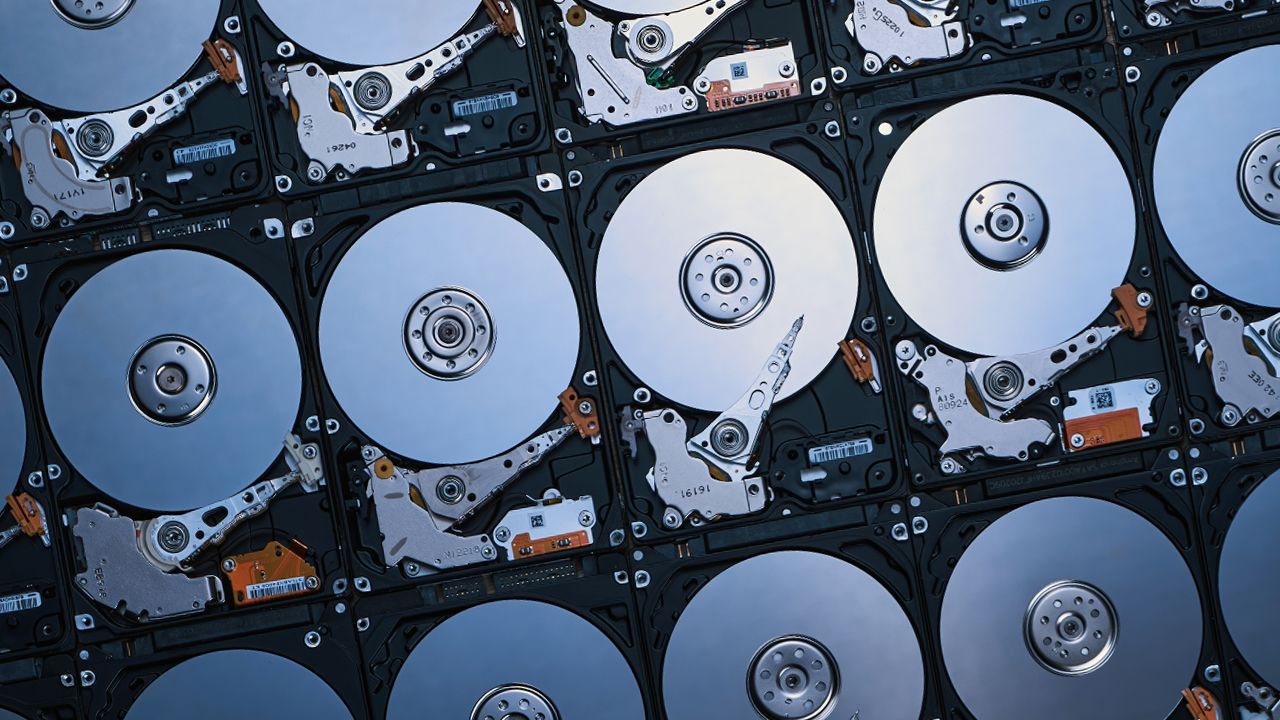
Look at you. You were just about to click 'checkout' on that 4TB NVMe drive, weren't you? And then Western Digital (WD) comes sliding into your feed like a desperate ex, whispering sweet nothings about 'flash-like' performance on a mechanical hard drive. If you actually believe that a spinning platter of rust is going to keep pace with NAND flash, I have a pre-order for Starfield 2: The Search for More Loading Screens to sell you. We’ve been here before, kids. Every few years, the HDD industry panics because SSDs are eating their lunch, so they sprinkle some 'magic' tech on a brick and call it a revolution.
The 'Magic' Tech Under the Hood
So, what’s the big deal this time? WD is touting a new architecture that supposedly bridges the gap between the dinosaur age of spinning disks and the modern era of silicon. By integrating flash memory directly into the drive's logic—essentially a beefed-up version of the failed SSHDs of yesteryear—they claim they can solve the dreaded memory supply crisis. The idea is to offload metadata and specific caching tasks to the flash layer, reducing the physical 'seek time' that makes HDDs feel like they're running through waist-deep molasses. They’re promising higher capacities, better reliability, and speeds that won't make you want to throw your PC out of a window. But let's look at the fine print: it’s still a mechanical drive. It still has moving parts. It still sounds like a coffee grinder when it’s under load.
Rogue’s Reality Check: The 'Price' of Progress
Here is where the marketing fluff meets the cold, hard floor of reality. WD admitted in the snippet that this tech will 'probably just make hard drives more expensive.' Groundbreaking. Truly. In a world where 2TB SSDs are becoming the baseline for gaming, WD wants to sell you a more expensive version of the slowest component in your rig. They're positioning this as a solution to the NAND shortage, but let's be real: they’re just finding a way to charge SSD prices for HDD hardware. It’s the classic 'create a problem, sell the solution' maneuver. The 'memory crisis' is a convenient boogeyman that allows manufacturers to justify price hikes while they sit on stockpiles of older tech. If you buy into the hype now, you’re just subsidizing their R&D for a product that will be obsolete by the time the shipping label is printed.
Why You Should (Still) Never Pre-Order
If you've followed my writing for more than five minutes, you know the Golden Rule: Don't. Pre-order. Anything. Especially not 'revolutionary' storage. Remember SMR (Shingled Magnetic Recording)? Manufacturers snuck that into drives without telling anyone, and it absolutely tanked write speeds. Now they're promising 'Flash-like' performance? I'll believe it when I see a benchmark that isn't provided by a WD press release. This tech is likely aimed at enterprise data centers that need to store petabytes of cat memes, not at gamers who need 0.5ms access times for Cyberpunk 2077. For the average user, this is a solution in search of a problem. If you need speed, buy an SSD. If you need cheap bulk storage, buy a regular HDD. Don't buy this expensive middle-child that tries to be both and fails at both.
Conclusion: The Platter is Still Spinning
At the end of the day, WD is trying to keep the HDD relevant in a world that has moved on. While the tech might be impressive from an engineering standpoint, the value proposition for a gamer or a standard consumer is practically zero. They are dressing up a tractor in a Ferrari body kit and telling you it'll win at Le Mans. Don't fall for the 'flash-like' buzzwords. Keep your money in your pocket, wait for the independent reviews to tear these drives apart, and for the love of all that is holy, stop letting marketing departments dictate your build list. The only thing 'flash-like' about this is how fast the money will disappear from your bank account if you're dumb enough to buy one at launch.
🏆 Gamer Verdict
2.5/10 HYPE
"A desperate attempt to make mechanical drives relevant by slapping a 'flash' sticker on them and doubling the price."
✅ The Good
- Higher capacity for data hoarders
- Slightly better metadata handling
❌ The Bad
- It's still a mechanical drive with moving parts
- Likely overpriced compared to actual SSDs
🌍 Global Quick Take
🇮🇳 Hindi: पश्चिमी डिजिटल की नई एचडीडी तकनीक 'फ्लैश' जैसी गति का वादा करती है, लेकिन यह शायद केवल आपकी जेब खाली करने का एक और तरीका है।
🇪🇸 Spanish: La nueva tecnología HDD de WD promete un rendimiento similar al flash, pero probablemente solo sea una excusa para cobrarte más por tecnología antigua.
Tags: #WesternDigital #HDD #Hardware #GamingTech #Don'tBuyTheHype
Stay tuned for more gaming updates! Subscribe to our feed.
Source: Read Original Article
Comments
Post a Comment