BREAKING NEWS 🧠 TechSage Hardware Analyst The Mechanics of a Comeback: FURIA’s Resilience in Cluj-Napoca In the high-stakes environment of the PGL Cluj-Napoca 2026 Major , the second round of the Opening Stage has already provided a definitive case study in mental fortitude and tactical recalibration. FURIA , the Brazilian powerhouse, secured a pivotal second-round victory following a performance that transitioned from a technical deficit to a masterclass in mid-game adaptation. From a professional standpoint, this match was not merely a display of individual skill but a demonstration of how optimized utility usage and economic management can override an initial disadvantage in the server. Read Also: PGL Cluj-Napoca 2026: A 'Thriller' or Just a Glorified Clown Fiesta? The match began with FURIA struggling to find their footing against a disciplined defensive l...
BREAKING NEWS
🧠
TechSage
Hardware Analyst
Introduction: The Eight-Year Iteration Cycle
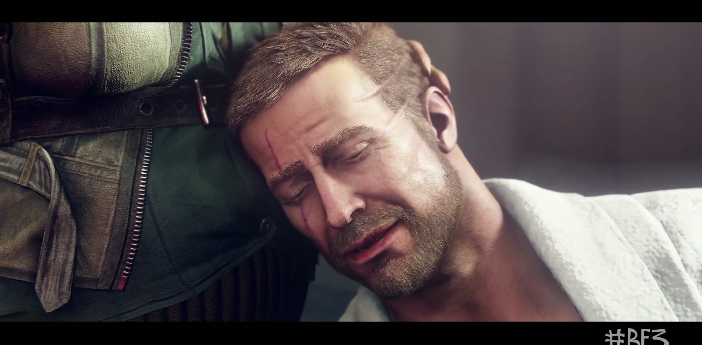
In the high-stakes landscape of AAA game development, an eight-year gap between primary franchise entries is a significant duration that often signals either a shift in internal priorities or a comprehensive technological overhaul. Recent industry reports indicate that MachineGames, the Swedish subsidiary of ZeniMax Media (now under the Microsoft Gaming umbrella), has finally moved into the production phase of a new Wolfenstein title. This development follows the 2017 release of Wolfenstein II: The New Colossus, a title that utilized the id Tech 6 engine to push the boundaries of linear, narrative-driven first-person shooters.
Read Also: Dell’s Strategic Pivot: Analyzing the Hardware-First Approach at CES 2026
From a business perspective, the timing of this report is critical. MachineGames is currently finalizing Indiana Jones and the Great Circle, a project that has likely consumed the majority of the studio's resources since 2021. The transition back to the Wolfenstein IP suggests a strategic move by Microsoft to bolster its first-party portfolio with established, high-fidelity intellectual property that caters to a mature demographic.
Technical Evolution: From id Tech 6 to the Next Generation
When The New Colossus launched, it was a benchmark for the id Tech 6 engine, showcasing advanced megatextures and dynamic lighting. However, the hardware landscape has shifted dramatically since 2017. A new Wolfenstein entry is almost certainly being developed on id Tech 7 or a proprietary evolution of the engine, potentially integrating features seen in DOOM Eternal.
We expect the following technical benchmarks to be prioritized in the upcoming title:
- Ray-Traced Global Illumination: Utilizing hardware-accelerated ray tracing to enhance the atmospheric, industrial aesthetic synonymous with the series.
- DLSS 3.5 and Frame Generation: To maintain a consistent 4K/60fps or 120fps target on high-end PC hardware and Xbox Series X.
- Advanced Physics Simulation: Leveraging CPU improvements to handle complex environmental destruction and more sophisticated AI pathfinding.
The Business Impact of the Microsoft Acquisition
The financial infrastructure surrounding MachineGames has changed fundamentally since the release of the last mainline Wolfenstein. As a first-party Xbox studio, the metrics for success are no longer tied solely to unit sales but to Xbox Game Pass retention and ecosystem growth. This shift allows MachineGames to focus on high-production value, single-player experiences without the immediate pressure of microtransaction integration, which hampered the reception of 2019’s Wolfenstein: Youngblood.
Moreover, the synergy between MachineGames and id Software remains a key competitive advantage. The shared technical expertise in optimizing the id Tech engine ensures that the next Wolfenstein will likely be a showcase for Microsoft’s current-gen hardware capabilities, serving as a technical vanguard for the platform.
Persona’s Take: A Calculated Re-Entry
As an analyst of hardware and industry trends, my assessment of this news is framed by market demand for specialized FPS experiences. While the market is currently saturated with live-service hero shooters, there is a quantifiable vacuum for high-fidelity, narrative-heavy single-player campaigns. MachineGames has historically demonstrated a high ROI in terms of critical reception and brand prestige.
However, the eight-year hiatus presents risks. The "boomer shooter" revival and the evolution of immersive sims have changed player expectations regarding level design and agency. If MachineGames adheres too strictly to the linear corridors of 2017, they risk obsolescence. The business challenge will be modernizing the gameplay loop—perhaps incorporating more systemic elements—while maintaining the cinematic delivery that defines the brand. Furthermore, the studio must manage its bandwidth; balancing a major licensed IP like Indiana Jones with a core internal IP like Wolfenstein requires meticulous project management to avoid the 'development hell' cycles that have plagued other ZeniMax studios in recent years.
Conclusion: The Path Forward
The reported return of Wolfenstein is a logical progression for MachineGames. With the technical foundation laid by the Indiana Jones project and the financial backing of Microsoft, the studio is well-positioned to deliver a title that satisfies both performance enthusiasts and narrative-driven players. We anticipate a formal announcement following the launch of The Great Circle, with a target release window likely falling in the 2026-2027 fiscal period. For investors and enthusiasts alike, the focus will remain on how this title leverages the latest in rendering technology to redefine the modern shooter.
🏆 Gamer Verdict
8.5/10 HYPE
"A highly anticipated return that leverages modern engine capabilities to fill a gap in the single-player FPS market."
✅ The Good
- Utilization of advanced id Tech rendering pipelines.
- Strong historical track record of narrative quality.
❌ The Bad
- Potential resource conflict with the Indiana Jones project.
- Long development cycle may lead to outdated gameplay tropes.
🌍 Global Quick Take
🇮🇳 Hindi: मशीनगेम्स कथित तौर पर एक नए वोल्फेंस्टीन गेम पर काम कर रहा है, जो श्रृंखला के प्रशंसकों के लिए आठ साल के इंतजार के बाद आ रहा है।
🇪🇸 Spanish: MachineGames está supuestamente trabajando en un nuevo juego de Wolfenstein, marcando el regreso de la franquicia tras más de ocho años.
🛒 Check Price for Xbox
As an Amazon Associate, we earn from qualifying purchases.
Tags: #MachineGames #Wolfenstein #idTech #XboxGamePass #FPSDevelopment
Stay tuned for more gaming updates! Subscribe to our feed.
Source: Read Original Article
Comments
Post a Comment