BREAKING NEWS 🧠 TechSage Hardware Analyst The Mechanics of a Comeback: FURIA’s Resilience in Cluj-Napoca In the high-stakes environment of the PGL Cluj-Napoca 2026 Major , the second round of the Opening Stage has already provided a definitive case study in mental fortitude and tactical recalibration. FURIA , the Brazilian powerhouse, secured a pivotal second-round victory following a performance that transitioned from a technical deficit to a masterclass in mid-game adaptation. From a professional standpoint, this match was not merely a display of individual skill but a demonstration of how optimized utility usage and economic management can override an initial disadvantage in the server. Read Also: PGL Cluj-Napoca 2026: A 'Thriller' or Just a Glorified Clown Fiesta? The match began with FURIA struggling to find their footing against a disciplined defensive l...
BREAKING NEWS
🧠
TechSage
Hardware Analyst
The Convergence of Thermal Efficiency and Market Accessibility
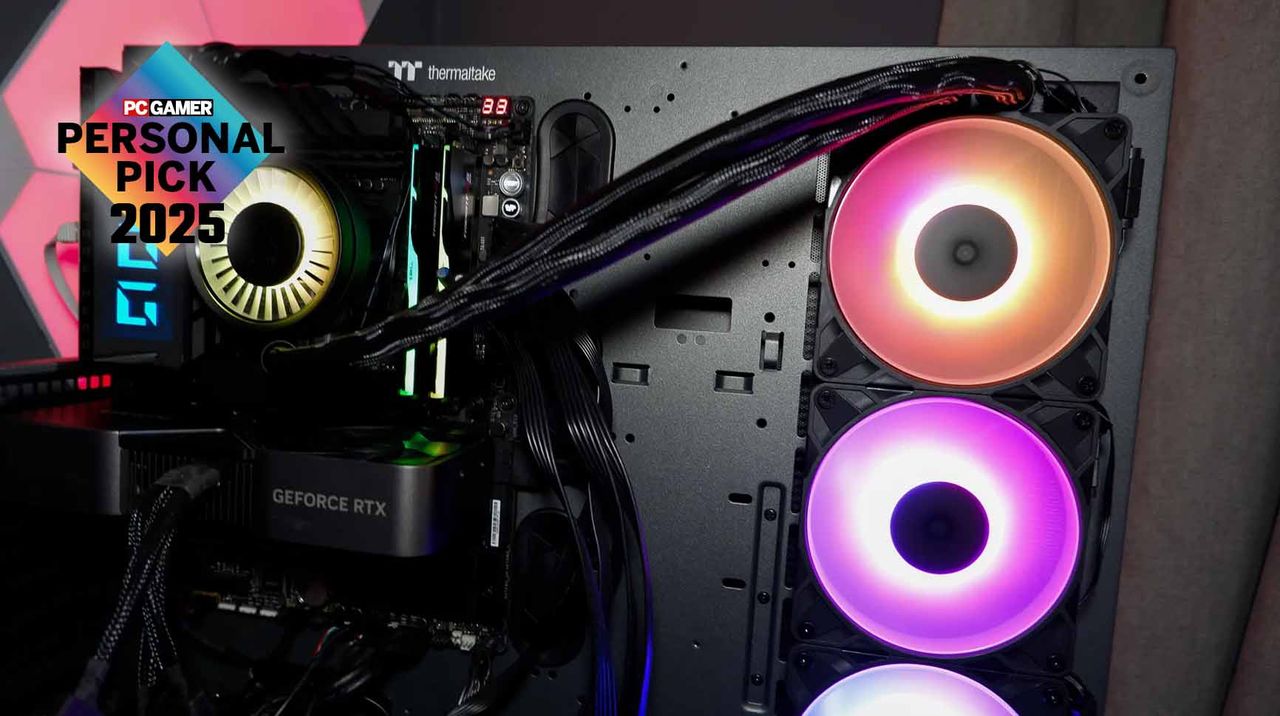
In a hardware landscape currently defined by inflationary pressures and the rising cost of silicon, the PC component market rarely offers a reprieve for the budget-conscious consumer. However, an analysis of current market trends reveals a significant anomaly: the democratization of All-In-One (AIO) liquid coolers. While GPUs and high-end motherboards continue to see price creep, the thermal management sector has evolved to provide high-performance cooling solutions at a fraction of the historical cost.
Read Also: Analyzing PlayStation’s 2025: A Strategic Pivot Toward Long-Term Ecosystem Stability
Technical Maturation and Manufacturing Optimization
The proliferation of affordable AIOs is not merely a pricing war; it is the result of matured manufacturing processes and the expiration of foundational patents in pump design. We are seeing 240mm and 360mm units entering the market at price points previously occupied exclusively by mid-tier air coolers. From a performance perspective, these units are capable of managing the thermal output of modern high-TDP processors, such as the Intel Core i9 or AMD Ryzen 9 series, ensuring sustained clock speeds and preventing thermal throttling during intensive compute tasks.
- Improved Cold Plate Efficiency: High-density micro-fin designs are now standard even in budget tiers.
- Standardization of Components: The use of standardized fans and radiator dimensions has reduced logistical overhead.
- Reliability Metrics: Mean Time Between Failure (MTBF) for modern budget pumps has stabilized, narrowing the gap between entry-level and enthusiast products.
The TechSage Perspective: Business and Performance Impact
From a strategic standpoint, the availability of low-cost AIOs has a profound impact on the total cost of ownership (TCO) for high-performance workstations and gaming rigs. By lowering the entry barrier for liquid cooling, manufacturers have effectively enabled higher compute density. For the enterprise and the individual builder alike, this shift allows for the allocation of capital toward critical components like faster RAM or higher-tier storage, without sacrificing the thermal stability required for system longevity. The business impact is clear: high-margin brands are being forced to innovate on aesthetics and software integration to justify their premiums, while the 'value' segment captures the bulk of the market share through sheer utility.
Conclusion
The rise of the affordable AIO liquid cooler represents a rare victory for the consumer in an otherwise expensive era of computing. By providing reliable, high-performance thermal regulation at a sustainable price point, these products have become the unsung heroes of the 2024 hardware cycle. As we move forward, expect further consolidation in this space as performance margins continue to shrink between budget and premium cooling tiers.
🏆 Gamer Verdict
8/10 HYPE
"Affordable AIOs offer disruptive value, providing high-end thermal performance for the cost of a traditional air cooler."
✅ The Good
- Exceptional price-to-performance ratio for modern high-wattage CPUs.
- Lowered barrier of entry for liquid cooling aesthetics and efficiency.
❌ The Bad
- Potential for higher noise levels in cheaper fan bearings.
- Lack of advanced software ecosystems found in premium units.
🌍 Global Quick Take
🇮🇳 Hindi: किफायती ऑल-इन-वन (AIO) लिक्विड कूलर इस साल पीसी निर्माण की बढ़ती लागतों के बीच एक बेहतरीन बजट-अनुकूल विकल्प के रूप में उभरे हैं।
🇪🇸 Spanish: Los refrigeradores líquidos todo en uno (AIO) asequibles se han convertido en la opción más rentable y eficiente del mercado actual de hardware.
Tags: #PCHardware #LiquidCooling #MarketTrends #ThermalManagement
Stay tuned for more gaming updates! Subscribe to our feed.
Source: Read Original Article
Comments
Post a Comment