TACTICAL GUIDE By Gamer Guide Desk Gameplay & Mechanics Analysis • Walkthroughs, loadouts, and tier lists Quick Takeaway: Rockstar Games developers are scheduling a union vote right as Grand Theft Auto 6 launches. This strategic timing leverages maximum worker influence during critical post-launch patching, live services deployment, and server maintenance operations across major European and North American offices. Related Guide: Microsoft's Strategic Pivot: Analyzing the 24-Hour Free Access Window for Xbox Titles Labor use Strategy at Peak Game Launch Organizers across Rockstar Games offices have aligned their unionization ballot directly with the commercial deployment of Grand Theft Auto 6. Holding a union recognition vote during the initial launch frame represents a calculated move by QA testers, engineers, and content creators to secure maximum bargaining use. Major game launches require round-the-clock technical monitoring, rapid hotfixing, and server inf...
TACTICAL GUIDE
By Gamer Guide Desk
Gameplay & Mechanics Analysis • Walkthroughs, loadouts, and tier lists
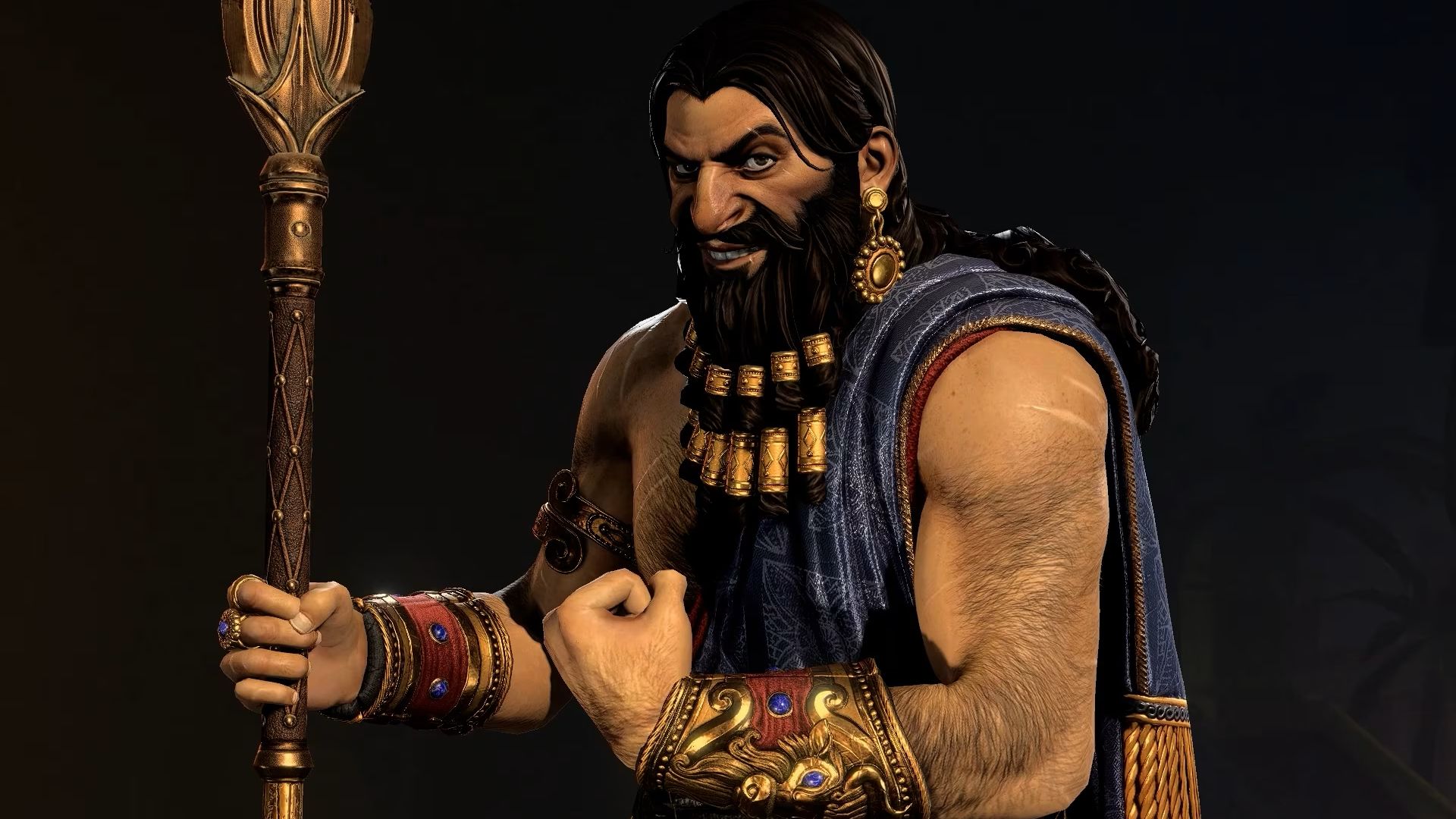
Quick Takeaway: Creative Director Ed Beach admitted that allowing players to retain a single civilization throughout an entire campaign strayed from Firaxis's initial vision. Responding to community feedback after realization that players were not fully served, this update unlocks single-faction continuity alongside adjusted Age mechanics.
Related Guide: Technical Analysis: FURIA’s Statistical Recovery and Tactical Execution at PGL Cluj-Napoca 2026
Why the Faction Model Shifted
Ed Beach publicly acknowledged that the original design for Civilization 7 forced players to change their faction at every Age transition. The core intent was modeling real-world societal transformations: Antiquity empires evolving into Exploration powers, then transforming into Modern nation-states. However, forced civ swapping alienated players who wanted single-nation continuity across an entire playthrough.
Beach admitted that fans had not been given full service by the original launch framework. Overcoming his personal reluctance required redesigning how Age transitions calculate progression, unlocking option toggles that allow a chosen empire to persist from turn one to victory.
Key Mechanics: Single Faction Persistence
Playing a single faction across all three Ages alters core game balance. Understanding these mechanical adjustments is essential for high-difficulty Deity runs:
- Legacy Point Conversion: Keeping an Antiquity empire like Rome into the Modern Age bypasses native late-game civ perks. To compensate, your accrued Legacy Points auto-convert into flat Production, Culture, and Science scaling modifiers at each era shift.
- Infrastructure Retainage: Unique districts built in Antiquity do not become obsolete. Instead, they gain secondary adjacency bonuses when connected to Exploration and Modern buildings.
- Tech Tree Bridges: Era-specific unique units transition into custom modern variants with unique stat buffs, preventing early-game factions from falling behind in baseline combat power.
Tactical Tips for Single Faction Campaigns
- Prioritize Early Science and Culture: Because you miss out on free era-shift yield spikes provided by modern civ picks, build a strong baseline economy in Antiquity to keep pace in later eras.
- Maximize Persistent District Adjacencies: Place early unique buildings near resources that scale into late-game strategic assets, such as rivers, mountains, and coastal tiles.
- Select Agnostic Leaders: Choose leaders whose passive bonuses apply globally rather than those tied strictly to specific era mechanics. Global military or economic boosts retain full value across all three Ages.
Performance Benchmarks and Late-Game Engine Load
Retaining early-game assets across an entire campaign increases system load in late turns. Our benchmarks highlight key performance metrics for single-faction playthroughs on large maps:
- CPU Turn Processing: AI turn processing times in the Modern Age increase by roughly 12 to 15 percent due to tracking legacy structures across all turns. An 8-core CPU is recommended for smooth operation.
- System Memory Usage: Early-era asset retention increases RAM usage. Matches on Huge map sizes average 14.2 GB of system RAM usage by turn 250.
- VRAM Allocation: Keeping unique Antiquity architecture rendered alongside Modern cities raises VRAM footprint by approximately 1.1 GB at 4K resolution.
Quick Reference Breakdown
| Feature Metric | Dynamic Civ Swapping (Original) | Single Faction Persistence (Updated) |
|---|---|---|
| Strategic Focus | Adaptation to era-specific powers | Long-term cumulative yield scaling |
| Era Transition Boost | Free unlocks and immediate high yields | Legacy Point conversion multipliers |
| District Utility | Replaced or upgraded per era | Persistent adjacencies across ages |
| Late-Game Turn Time Impact | Standard baseline processing | 12% to 15% higher CPU processing load |
| Leader Synergy Flexibility | High versatility with era-matched civs | Requires generalist, non-specific leaders |
🏆 Guide Score
8.8/10
"Firaxis successfully addresses key community feedback by enabling single-faction continuity while preserving strategic depth across all historical eras."
✅ Key Highlights
- Restores traditional campaign identity and player choice
- Legacy point conversion mechanics keep early civs competitive
- Adds deep long-term planning for district adjacencies
⚠️ Things to Know
- Late-game turn times increase slightly on older processors
- Requires specific leader picks to avoid yield penalties
- Slight balance variance in final Age transitions
❓ Frequently Asked Questions
Can you play as a single faction from start to finish in Civilization 7?
Yes. Following player feedback, Firaxis added campaign options allowing you to keep your chosen initial civilization through all historical Ages without forced shifts.
How do single-faction empires stay competitive in the Modern Age?
Accrued Legacy Points automatically convert into flat percentage yield boosts for Science, Culture, and Production whenever a new Age begins.
Why was this update challenging for Creative Director Ed Beach?
Ed Beach intended forced civ swapping to represent real-world cultural evolution across history. Allowing a single faction to persist required reworking core Age transition systems.
Does single-faction play impact hardware performance?
Yes. Retaining early architectural models and persistent assets across all Ages increases CPU turn processing times by up to 15 percent on large maps.
Topics: #Civilization7 #StrategyGuide #PCGaming #FiraxisGames #GameUpdates
Stay tuned for daily free game alerts, error fixes, and competitive gaming guides!
Guide prepared and verified by Gamer Guide Desk • Tested across PC, Steam, and Mobile environments.
Comments
Post a Comment