TACTICAL GUIDE By Gamer Guide Desk Gameplay & Mechanics Analysis • Walkthroughs, loadouts, and tier lists Quick Takeaway: Rockstar Games developers are scheduling a union vote right as Grand Theft Auto 6 launches. This strategic timing leverages maximum worker influence during critical post-launch patching, live services deployment, and server maintenance operations across major European and North American offices. Related Guide: Microsoft's Strategic Pivot: Analyzing the 24-Hour Free Access Window for Xbox Titles Labor use Strategy at Peak Game Launch Organizers across Rockstar Games offices have aligned their unionization ballot directly with the commercial deployment of Grand Theft Auto 6. Holding a union recognition vote during the initial launch frame represents a calculated move by QA testers, engineers, and content creators to secure maximum bargaining use. Major game launches require round-the-clock technical monitoring, rapid hotfixing, and server inf...
TACTICAL GUIDE
By Gamer Guide Desk
Gameplay & Mechanics Analysis • Walkthroughs, loadouts, and tier lists
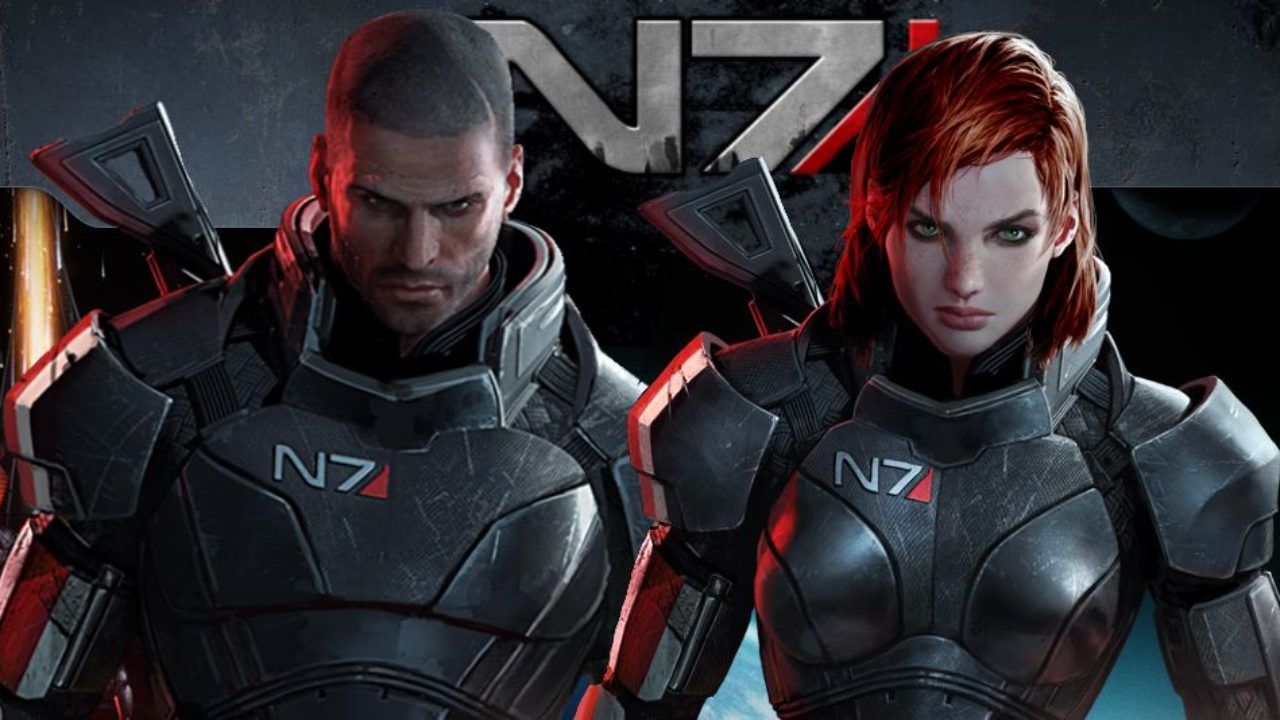
Quick Takeaway: Voice actors Jennifer Hale and Mark Meer highlighted how corporate ownership altered BioWare core RPG identity. Corporate directives prioritizing engine homogenization and live service models diluted the character driven storytelling that defined classic franchises like Mass Effect and Dragon Age.
Related Guide: BioWare Sold to Private Equity: What It Means for Competitive Play
Deconstructing the BioWare Identity Crisis
The recent statements from Mass Effect leads Jennifer Hale and Mark Meer reflect a growing concern among industry veterans regarding corporate mismanagement in narrative studios. BioWare built its reputation on choices with real consequences, deep companion relationships, and immersive worldbuilding. However, under corporate ownership, executive strategy shifted toward uniform technology standards and aggressive monetization metrics that directly conflicted with narrative game design.
The Technical Mandate and Engine Friction
A primary structural hurdle during BioWare corporate transformation was the internal push toward standardized engine tech. Forcing single player narrative games onto engines optimized strictly for multiplayer first person shooters introduced massive technical friction. Frostbite lacked baseline RPG tools for inventory management, complex dialogue branches, and party mechanics. Development teams spent thousands of production hours constructing fundamental RPG systems from scratch rather than polishing narrative branching and gameplay systems.
Live Service Pivots vs Character Driven RPGs
Executive pressure to capture recurring live service revenue significantly disrupted development pipelines. Projects like Anthem demonstrated how dynamic character arcs were deprioritized to accommodate loot cycles and repeatable co-op missions. When a studio built on personal choices and cinematic storytelling is redirected toward multi-year monetization roadmaps, team morale drops and core fans disconnect. Sustained leadership turnover during these transitions further eroded institutional knowledge, leading to extended development cycles and fractured studio identity.
Strategic Guidelines for Narrative Game Studios
Preserving narrative studio identity while scaling requires strict structural boundaries. Game creators and publishers must evaluate several functional benchmarks to avoid repeating these industry missteps:
- Align Engines with Genre Requirements: Developers must utilize technology designed specifically for systemic RPG mechanics rather than forcing multi-use studio software.
- Protect Creative Autonomy: Core design pillars like companion loyalty and branching plotlines must remain insulated from top down service model mandates.
- Retain Institutional Talent: Senior narrative leads and voice actors maintain studio voice consistency, making talent retention critical across multi-year cycles.
- Prioritize Single Player Scope: Campaign design requires concentrated worldbuilding unburdened by forced multiplayer retention loops.
Evaluating Studio Pipeline Shift
Understanding how BioWare operational focus changed over two decades explains the current state of its major RPG franchises. By analyzing operational shifts across key eras, developers can identify where structural changes impacted project delivery and fan reception.
Quick Reference Breakdown
| Development Era | Primary Tech Stack | Design Focus | Monetization Model |
|---|---|---|---|
| Golden Era (2000-2010) | Aurora, Odyssey, Unreal Engine 3 | Branching narratives, tactical RPG combat | Traditional boxed product, story DLC |
| Transitional Era (2011-2016) | Unreal Engine 3, Early Frostbite | Cinematic action, broader audience focus | Base game plus microtransaction packs |
| Corporate Era (2017-Present) | Frostbite Engine | Live service mechanics, homogenized action | Battle passes, cosmetic stores, live ops |
🏆 Guide Score
7/10
"BioWare operational shift demonstrates the risks of applying standardized corporate assembly lines to specialized narrative development."
✅ Key Highlights
- Unmatched legacy of iconic sci-fi and fantasy storytelling
- Core voice talent maintains strong alignment with original vision
- Massive community passion for narrative choice mechanics
⚠️ Things to Know
- Engine mandates delayed production schedules for years
- High executive turnover diminished institutional knowledge
- Chasing live service trends diverted resources from core RPGs
❓ Frequently Asked Questions
What did Jennifer Hale and Mark Meer state regarding BioWare?
Both voice actors expressed sadness over how corporate ownership altered BioWare, noting that executive leadership failed to fully understand or preserve the studio identity.
How did publisher mandates impact BioWare projects?
Mandates pushing for standardized game engines and live service revenue models forced developers to build basic RPG systems from scratch while diluting single player storytelling.
Why was the Frostbite engine a problem for BioWare games?
Frostbite was engineered for first person shooters. It lacked built-in systems for dialogue trees, inventory tracking, and RPG party mechanics, causing extensive production delays.
Can classic RPG studios survive under large corporate publishers?
Yes, provided publishers grant creative autonomy, allow appropriate genre specific engines, and measure success through narrative quality rather than aggressive live service metrics.
Topics: #BioWare #MassEffect #GamingNews #RPGDevelopment #EA
Stay tuned for daily free game alerts, error fixes, and competitive gaming guides!
Guide prepared and verified by Gamer Guide Desk • Tested across PC, Steam, and Mobile environments.
Comments
Post a Comment