BREAKING NEWS By Alex Vance Esports Correspondent Battlefield 6 hits the one‑year mark with fresh maps and a shaky meta EA launched the fifth main entry in the franchise in October 2025 and the game still tops sales charts, but the community is split. Season 5 dropped two massive, themed maps, Las Vegas and Area 51, and they have become the focal point of the current conversation. Read Also: Mass Effect crossover items have seemingly been removed from Battlefield 6 following EA's sudden closure of BioWare Gameplay changes and the evolving meta Since launch the developers have delivered a steady stream of updates. The most visible shift is the map size debate. Early beta players complained that the original map pool was cramped, a gripe that persisted through Season 1. Community‑crafted mods that expanded the Redsec map into a sprawling warzone forced DICE to acknowledge the demand for larger battlegrounds. Season 2 introduced Contaminated, a map praised for its vert...
BREAKING NEWS
🐍
Viper
Hype Specialist
🚀 Hook: When a Trailer Hits You Like a Supernova
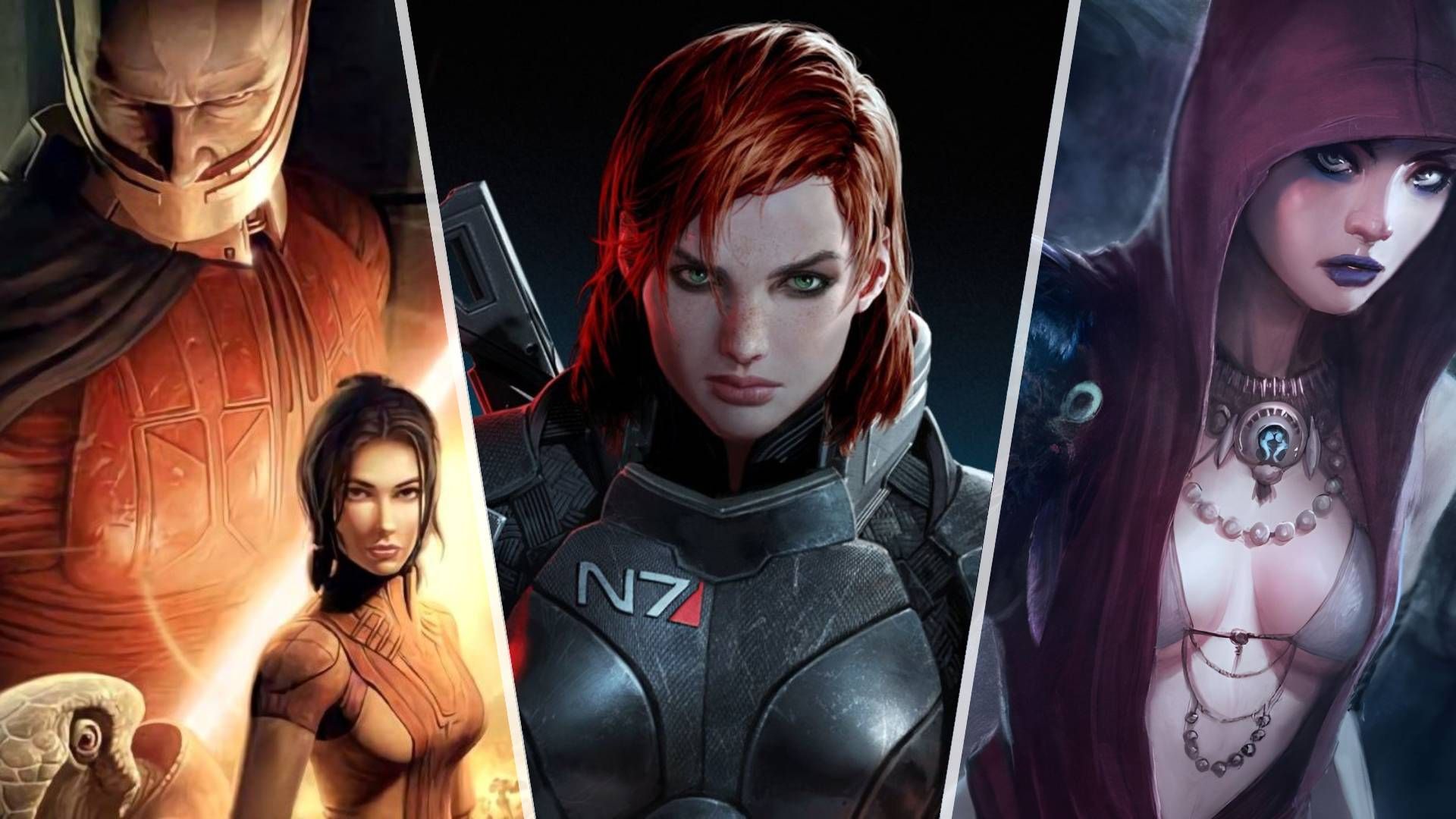
Picture this: you’re scrolling through a midnight YouTube binge, the Mass Effect teaser drops, and the synth‑wave score slams you harder than a crit hit. Your heart’s racing, your palms are sweaty, and you whisper, “This is it, I’m going pro.” That exact moment—repeated across KotR, Dragon Age, and Neverwinter Nights—is the spark that ignited the careers of 16 industry veterans. In this deep‑dive, we’re breaking down why BioWare isn’t just a studio; it’s a full‑blown cultural phenomenon that turned gamers into devs, and why its legacy is still lit in 2026.
🔍 Deep Dive: The ‘Why’ & ‘How’ Behind BioWare’s Magnetic Pull
BioWare’s secret sauce is a perfect blend of choice‑driven storytelling, cinematic production values, and emotional resonance. Let’s dissect the core ingredients that made developers drop everything and chase that BioWare dream:
- Choice Architecture: Every decision in Mass Effect or Dragon Age isn’t just a dialogue tree—it’s a branching narrative engine that tracks parity, reputation, and moral weight. The tech behind the Paragon vs. Renegade system set a new standard for player agency.
- Toolset Empowerment: Neverwinter Nights shipped with the Aurora Toolset, letting fans craft whole campaigns. This democratized level design and gave future devs a sandbox to hone their craft.
- Cinematic Flair: From the sweeping camera pans in the KotR opening to the seamless elevator dialogues in Mass Effect, BioWare treated games like blockbuster movies, raising the bar for visual storytelling.
- Voice Acting & Music: Iconic lines (“I’m Commander Shepard, and this is my favorite store”) and the haunting Vigil’s Theme proved that audio can be as narrative‑driven as any cutscene.
These pillars turned casual fans into aspiring writers, designers, composers, and programmers—exactly what the 16 devs in PC Gamer’s feature recount.
📜 Historical Context: BioWare’s Evolution from Modding Hero to Industry Titan
Before the Mass Effect launch, RPGs were largely split between Western open‑world sandbox (e.g., Gothic) and Japanese turn‑based (e.g., Final Fantasy). BioWare merged the two, delivering:
- Early 2000s – Neverwinter Nights (2002): Leveraged the Dungeons & Dragons 3rd‑edition ruleset and gave creators the Aurora Toolset, spawning a mod community that rivaled official DLC.
- 2003 – Star Wars: Knights of the Old Republic: Introduced moral alignment (Light/Dark) and a fully voiced cast, setting the template for narrative‑centric AA titles.
- 2009 – Dragon Age: Origins: Perfected the “party‑driven” narrative, where each companion’s personal quest could change the world state.
- 2010‑2017 – Mass Effect Trilogy: Pushed the envelope with galaxy‑scale storytelling, real‑time combat, and the infamous “Paragon vs. Renegade” meter.
Each iteration refined the technology and storytelling cadence, making BioWare the GOAT of narrative RPGs. When EA announced BioWare’s shutter in 2026, the industry collectively felt a gut‑punch—because the studio had become a benchmark for emotional depth in games.
💬 Community Reaction: Reddit’s Raw Love & Grief
“I cried at the ending of Mass Effect 3 and swore I’d write games that could do that,” – u/GalacticGamer92
Reddit threads exploded with nostalgia, memes, and heartfelt tributes. The most up‑voted comments highlighted three recurring themes:
- Storytelling Impact: Users called BioWare games “the most emotionally resonant experiences” they’d ever had.
- Career Catalyst: Many shared how a single quest (e.g., “Bait and Switch” in DA2) pushed them into game development school.
- Technical Admiration: Fans marveled at the seamless loading‑screen dialogues and the Aurora Toolset’s flexibility.
Even the skeptics admitted that, trash as some modern titles might be, BioWare’s legacy remains untouchable.
🦎 Viper’s Take: Why This Story Is Pure Gold for Gamers & Creators
Yo, I’m Viper, and let me tell you—this isn’t just a nostalgia dump. It’s a case study on how player‑first design can spawn an entire generation of devs. The 16 devs featured prove that when you give players agency, you also give them purpose. BioWare’s games were lit because they let you be the hero, not just a button‑mashing sidekick. That level of immersion is the holy grail for any studio looking to build a community that’s as passionate as a Twitch chat at a new trailer drop.
From a technical standpoint, the Aurora Toolset’s open‑source‑ish philosophy is a blueprint for modern engines like Unreal’s Blueprint system. And the narrative layering—think “multiple endings + companion arcs + world‑state persistence”—is the DNA behind today’s open‑world epics (e.g., Cyberpunk 2077’s branching quests).
Bottom line: BioWare didn’t just make games; they built a pipeline for talent. If you’re a dev looking for inspiration, study their dialogue trees, voice‑acting direction, and the way they treat every side‑quest like a mini‑movie.
🧭 Conclusion: The Enduring Legacy of BioWare’s Narrative Mastery
BioWare’s shutdown may have been a shock, but its influence is still echoing through studios worldwide. The 16 developers we highlighted are living proof that a well‑crafted story can do more than entertain—it can forge careers, shape industry standards, and create a cultural mythos that fans will chant for decades.
Whether you’re a gamer who still gets goosebumps from the Mass Effect soundtrack or an aspiring dev dreaming of building the next choice‑driven masterpiece, BioWare’s playbook remains the ultimate cheat code. Keep those memories alive, keep the narrative fire burning, and remember: the next GOAT studio could be the one you create.
🏆 Gamer Verdict
9/10 HYPE
"BioWare’s storytelling and toolsets continue to inspire developers, making its legacy the gold standard for narrative RPGs."
✅ The Good
- Unmatched player agency through branching narratives.
- Robust modding tools (Aurora) that cultivated early dev talent.
- Cinematic production values that set industry benchmarks.
❌ The Bad
- Technical limitations of older engines sometimes cause clunky combat.
- Inconsistent quality across sequels (e.g., Mass Effect: Andromeda).
- Heavy reliance on dialogue can alienate players seeking pure action.
🌍 Global Quick Take
🇮🇳 Hindi: बायोवेयर के खेलों ने कई डेवलपर्स को प्रेरित किया और गेमिंग इतिहास में अपना अमिट निशान छोड़ा है।
🇪🇸 Spanish: Los juegos de BioWare inspiraron a muchos desarrolladores y dejaron una huella imborrable en la historia de los videojuegos.
Tags: #BioWare #RPG #GameDevelopment #NarrativeDesign #IndustryImpact
Stay tuned for more gaming updates! Subscribe to our feed.
Source: Read Original Article
Comments
Post a Comment