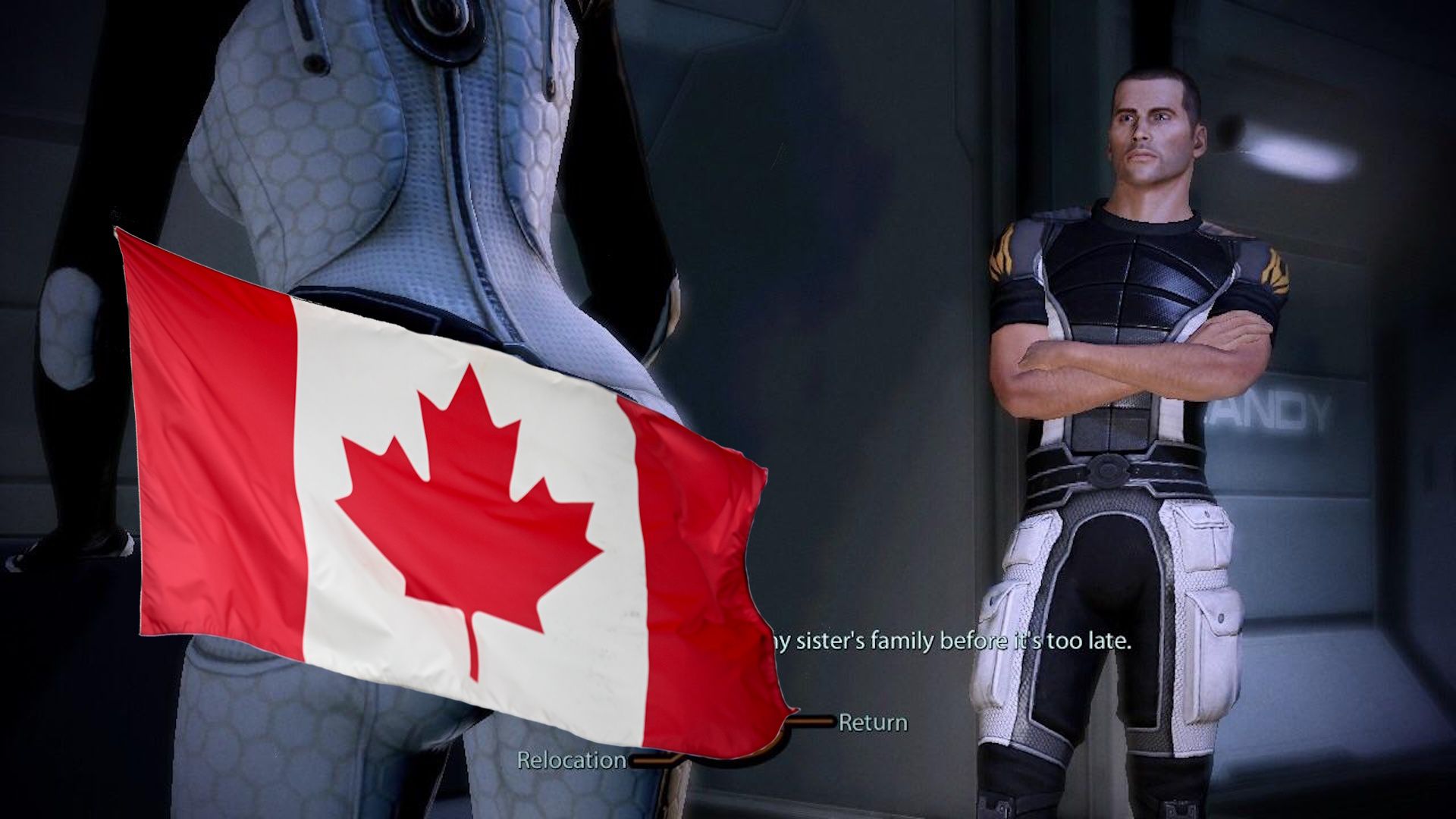
TACTICAL GUIDE By Gamer Guide Desk Gameplay & Mechanics Analysis • Walkthroughs, loadouts, and tier lists Quick Takeaway A formal Canadian House of Commons petition reached the signature threshold requiring an official government response regarding BioWare. While a Member of Parliament confirmed parliamentary review is required, government intervention cannot override Electronic Arts corporate decisions, making a direct studio bailout unlikely without broader economic policy shifts. Related Guide: GTA 6 Map Size and Interior Scale Analysis: What Rockstar's Massive World Means for Gameplay The Mechanics of Canadian E-Petitions and Studio Survival The recent traction surrounding the petition to preserve BioWare Edmonton has sparked widespread discussion across the gaming industry. Under Canadian parliamentary rules, an e-petition that receives at least 500 validated signatures and secures sponsorship from a sitting Member of Parliament must be formally tabled in the ...
TACTICAL GUIDE
By Gamer Guide Desk
Gameplay & Mechanics Analysis • Walkthroughs, loadouts, and tier lists
Quick Takeaway
A formal Canadian House of Commons petition reached the signature threshold requiring an official government response regarding BioWare. While a Member of Parliament confirmed parliamentary review is required, government intervention cannot override Electronic Arts corporate decisions, making a direct studio bailout unlikely without broader economic policy shifts.
Related Guide: GTA 6 Map Size and Interior Scale Analysis: What Rockstar's Massive World Means for Gameplay
The Mechanics of Canadian E-Petitions and Studio Survival
The recent traction surrounding the petition to preserve BioWare Edmonton has sparked widespread discussion across the gaming industry. Under Canadian parliamentary rules, an e-petition that receives at least 500 validated signatures and secures sponsorship from a sitting Member of Parliament must be formally tabled in the House of Commons. Once tabled, the federal government is legally bound to provide a written response within 45 calendar days. This procedural rule guarantees that the issues raised by petitioners will be reviewed by government officials, but it does not mandate specific policy changes or financial bailouts.
1. Parliamentary Mandates vs. Corporate Sovereignty
Understanding the limits of political intervention is essential when analyzing this situation. Electronic Arts operates as a publicly traded American corporation, while BioWare Edmonton functions as a Canadian subsidiary. The Canadian government possesses mechanisms to subsidize local industries, adjust tax credits, and offer cultural grants. However, federal authorities lack the legal authority to block a private enterprise from restructuring, laying off staff, or shuttering a regional development branch. The parliamentary response will focus primarily on policy frameworks, workforce transition resources, and economic support programs rather than direct corporate governance.
2. Industry Benchmarks: Tax Credits and Domestic Studio Retention
The broader issue behind the petition involves the competitive environment for video game development in Canada. Provincial tax incentives play a decisive role in studio sustainability. Alberta historically offered the Alberta Interactive Digital Media Tax Credit, which provided a 25 percent refundable tax credit on eligible labor costs. Comparing this framework to competing jurisdictions reveals significant operational gaps:
- Quebec: Offers up to 37.5 percent in combined provincial tax credits for French-language or localized productions, attracting massive investment from major global publishers.
- Ontario: Delivers an Interactive Digital Media Tax Credit covering up to 35 percent of eligible expenditures for domestic studios.
- Alberta: Provides a baseline 25 percent credit, which underwent periods of legislative restructuring, creating uncertainty for long-term project planning.
When publishers evaluate regional operating costs, small shifts in tax structures directly influence studio allocation decisions. EA balances project budgets across global locations including Vancouver, Montreal, Austin, and Edmonton. If operating costs in one region rise relative to others, corporate leadership adjusts headcount accordingly.
3. Strategic Realities for IP Ownership and Preservation
A frequent request among community efforts is for the Canadian government to designate legacy studio intellectual property as protected cultural assets. Franchises such as Dragon Age and Mass Effect carry substantial cultural weight within the gaming sector, yet commercial copyright law strictly protects EA ownership rights. The federal government cannot expropriate intellectual property or transfer copyright away from a parent company. Preserving a legacy studio requires either corporate willingness to keep operations active or private acquisition by an independent investment group willing to buy out the studio and license its underlying properties.
Tactical Analysis: What Happens Next for Developers and Fans
For community advocates and industry workers monitoring the petition outcome, several realistic scenarios define the coming months. Expect the official government response to outline existing economic programs rather than announce immediate financial intervention.
- Formal Government Statement: The Ministry of Innovation, Science and Economic Development will issue an official response. This document will detail available programs such as the Canada Media Fund and regional development grants, acknowledging the economic contribution of domestic game developers.
- Provincial Policy Debates: The petition may serve as use for local industry advocacy groups lobbying the Alberta government to enhance digital media incentives, aligning them more closely with Quebec and Ontario.
- Workforce Support Allocation: If structural changes occur at the studio level, federal response frameworks typically emphasize retrenchment assistance, providing retraining funds and job placement programs through local tech incubators.
Advocacy campaigns succeed when they shift focus from saving a specific corporate subsidiary to reforming the economic conditions that support local talent. Broadening provincial tax credits and expanding domestic grant programs offer the most practical pathway toward preserving Canada status as a primary game development hub.
Quick Reference Breakdown
| Jurisdiction | Base Labor Tax Credit | Cultural / Language Bonus | Studio Stability Index |
|---|---|---|---|
| Quebec | 30% | Up to 7.5% additional | Very High |
| Ontario | 35% | None | High |
| British Columbia | 17.5% | Up to 12% regional bonus | High |
| Alberta | 25% | None | Moderate |
🏆 Guide Score
6.5/10
"Canadian parliamentary petitions compel official governmental review, but state intervention cannot override corporate studio restructuring executed by Electronic Arts."
✅ Key Highlights
- Forces official parliamentary record on gaming sector support
- Raises public visibility of Canadian cultural studio funding
- Creates legislative pressure for expanded provincial tax credits
⚠️ Things to Know
- Zero legal mechanism to prevent corporate studio closures
- Electronic Arts retains full ownership of original intellectual properties
- Government responses rarely guarantee direct financial bailouts for foreign subsidiaries
❓ Frequently Asked Questions
Does the Canadian government have the power to stop EA from closing BioWare?
No. The Canadian government lacks legal jurisdiction to override operational decisions made by private corporations regarding their subsidiaries.
What exact threshold did the petition meet to trigger an official response?
The petition secured over 500 validated signatures from Canadian citizens and received sponsorship from a sitting Member of Parliament, satisfying the requirement for tabling in the House of Commons.
How do provincial tax credits impact studios like BioWare Edmonton?
Tax credits reduce local labor costs for publishers. Regions offering higher percentage refunds attract larger development budgets and long-term project allocations.
Could the Canadian government buy BioWare or its intellectual property?
No. The Canadian government does not purchase commercial game studios or acquire corporate intellectual property rights under standard economic policy.
Topics: #BioWare #IndustryAnalysis #Canada #EA #GamingNews
Stay tuned for daily free game alerts, error fixes, and competitive gaming guides!
Guide prepared and verified by Gamer Guide Desk • Tested across PC, Steam, and Mobile environments.
Comments
Post a Comment