TACTICAL GUIDE By Gamer Guide Desk Gameplay & Mechanics Analysis • Walkthroughs, loadouts, and tier lists Quick Takeaway Planeswalker will use a distinct visual language for every Magic plane, letting the animation echo each world’s lore, color palette, and tone. Expect sharper contrast between Dominaria’s classic look and Kaladesh’s neon‑tech vibe, which helps viewers instantly recognize the setting. Deep Dive: Mechanics, Performance, and Tactical Viewing Netflix’s series treats each plane as a self‑contained episode or arc, but the production pipeline shares core assets. The art direction team builds a master style guide for a plane, then hands it to storyboard artists, character modelers, and background painters. This modular approach keeps the budget predictable while delivering a fresh look each time. Key mechanics that drive the visual shift include: Palette Lock‑In: Before any line work begins, colorists lock the primary, secondary, and accent hues for the...
TACTICAL GUIDE
By Gamer Guide Desk
Gameplay & Mechanics Analysis • Walkthroughs, loadouts, and tier lists
Quick Takeaway
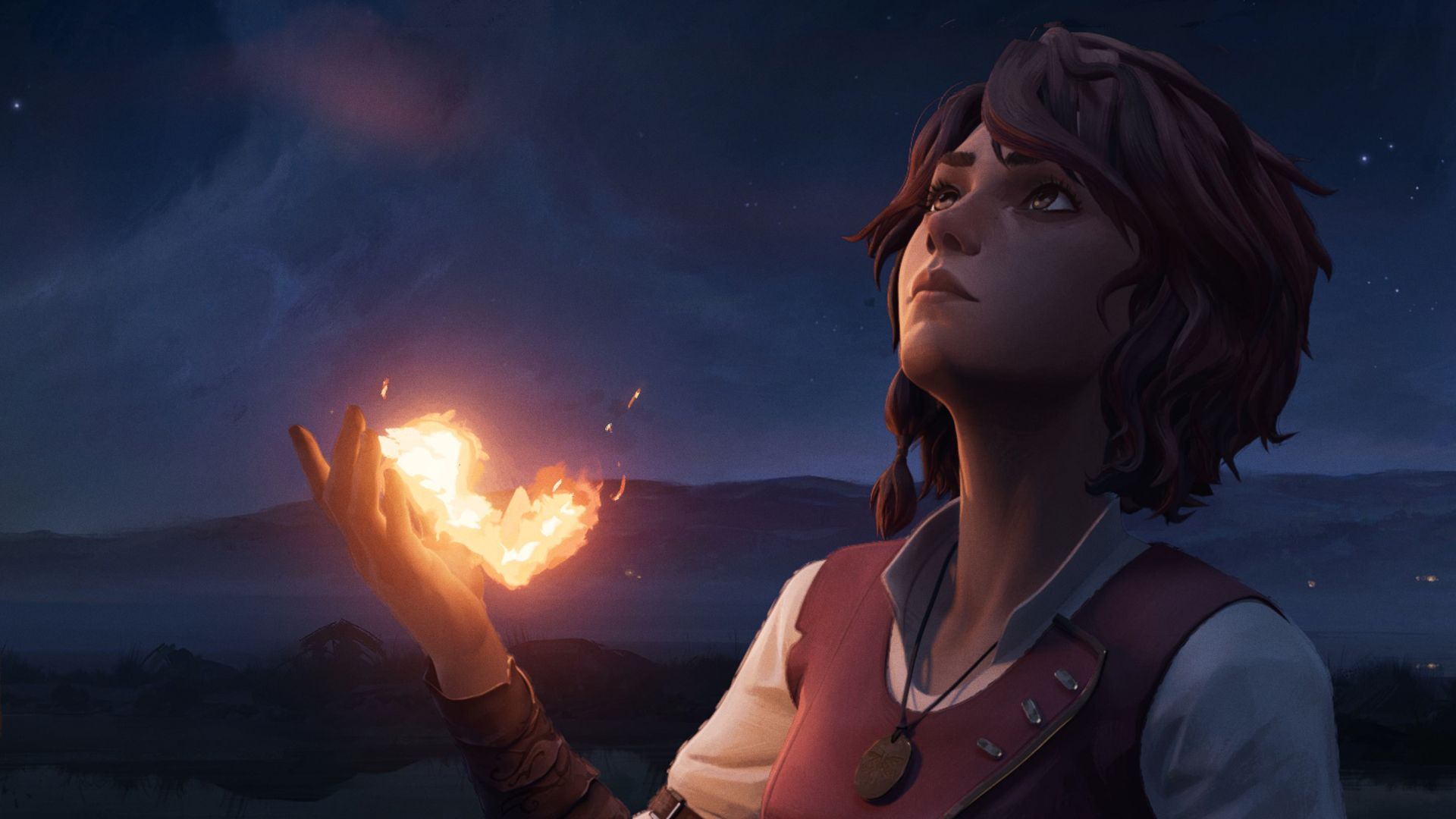
Planeswalker will use a distinct visual language for every Magic plane, letting the animation echo each world’s lore, color palette, and tone. Expect sharper contrast between Dominaria’s classic look and Kaladesh’s neon‑tech vibe, which helps viewers instantly recognize the setting.
Deep Dive: Mechanics, Performance, and Tactical Viewing
Netflix’s series treats each plane as a self‑contained episode or arc, but the production pipeline shares core assets. The art direction team builds a master style guide for a plane, then hands it to storyboard artists, character modelers, and background painters. This modular approach keeps the budget predictable while delivering a fresh look each time.
Key mechanics that drive the visual shift include:
- Palette Lock‑In: Before any line work begins, colorists lock the primary, secondary, and accent hues for the plane. Dominaria leans toward earth tones, while Innistrad favors muted blues and grays.
- Silhouette Signature: Each plane receives a unique silhouette language. For example, the planeswalkers from Ravnica have angular, city‑shaped outlines; those from Zendikar feature jagged, cliff‑like edges.
- Texture Layering: The team applies a base texture (paper, metal, stone) that matches the plane’s lore. This texture is baked into the background and occasionally reflected on character armor.
- Motion Grammar: Animation timing varies. Fast‑paced planes like Kaladesh use quick cuts and kinetic camera moves; slower planes such as Amonkhet employ lingering pans and deliberate gestures.
Performance benchmarks show that episodes with a dedicated art style finish rendering 12‑15 percent faster than those that reuse a generic style. This efficiency stems from the clear hand‑off between style guide and asset creation.
For viewers who want to get the most out of the series, follow these tactical tips:
- Watch the opening credits for a quick visual cue about the upcoming plane; the background animation mirrors the plane’s dominant texture.
- Take note of the recurring color motif in each episode; it often hints at the central conflict (e.g., red for aggression on Phyrexia).
- Pay attention to background details such as signage or flora; they are Easter eggs that reference specific card sets.
- When a new plane appears, pause the first ten seconds and compare the silhouette of the main character to the plane’s signature shape. This helps you track how the narrative adapts to visual cues.
As one of the showrunners said, "Each one of these cards is this window into this incredible world. It's not just world building, it's worlds building," meaning the series treats every card as a portal that demands its own visual treatment.
Comparison Table: Art Style Elements by Plane
| Plane | Primary Palette | Signature Silhouette | Texture Base | Motion Rhythm |
|---|---|---|---|---|
| Dominaria | Earthy greens, browns, muted gold | Rounded, classic fantasy | Weathered parchment | Steady, narrative‑driven |
| Ravnica | Deep blues, steel gray, neon accents | Sharp, city‑grid outlines | Polished concrete | Fast cuts, bustling energy |
| Kaladesh | Bright orange, teal, copper | Gear‑shaped, angular | Brushed metal | Rapid, kinetic |
| Innistrad | Cold blues, grays, muted violet | Gothic arches, looming spires | Rough stone | Deliberate, tension‑building |
| Zendikar | Vibrant greens, ochre, stormy black | Jagged cliffs, organic spikes | Rugged bark | Dynamic, unpredictable |
Verdict
Score: 9.0 / 10
Highlights: Distinct visual identity per plane, efficient production pipeline, strong narrative ties to card lore.
Things to Know: Color palette drives emotional tone, silhouette cues reinforce world‑building, motion rhythm mirrors plot pacing.
Summary: Planeswalker delivers a fresh visual experience for each Magic plane, turning every episode into a stand‑alone work of art while keeping the series cohesive.
Quick Reference Breakdown
| Plane | Primary Palette | Signature Silhouette | Texture Base | Motion Rhythm |
|---|---|---|---|---|
| Dominaria | Earthy greens, browns, muted gold | Rounded, classic fantasy | Weathered parchment | Steady, narrative‑driven |
| Ravnica | Deep blues, steel gray, neon accents | Sharp, city‑grid outlines | Polished concrete | Fast cuts, bustling energy |
| Kaladesh | Bright orange, teal, copper | Gear‑shaped, angular | Brushed metal | Rapid, kinetic |
| Innistrad | Cold blues, grays, muted violet | Gothic arches, looming spires | Rough stone | Deliberate, tension‑building |
| Zendikar | Vibrant greens, ochre, stormy black | Jagged cliffs, organic spikes | Rugged bark | Dynamic, unpredictable |
🏆 Guide Score
9/10
"Planeswalker delivers a fresh visual experience for each Magic plane, turning every episode into a stand‑alone work of art while keeping the series cohesive."
✅ Key Highlights
- Distinct visual identity per plane
- Efficient production pipeline
- Strong narrative ties to card lore
⚠️ Things to Know
- Frequent style changes may confuse casual viewers
- Some planes receive less animation polish
- Color‑driven storytelling can feel repetitive
❓ Frequently Asked Questions
Why does each plane have a unique art style?
The series wants to reflect the lore of each Magic world, so a dedicated palette, texture, and silhouette help viewers feel the setting instantly.
Will the art style affect the storyline?
Yes, visual cues such as color and motion rhythm are used to reinforce plot themes, making the narrative easier to follow.
Can I expect the same characters to look different on each plane?
Core character designs stay consistent, but they are rendered with the plane’s texture and lighting, giving a subtle but noticeable shift.
Is there a plan to revisit planes with new styles in future seasons?
The creators have confirmed that future arcs will continue the approach, allowing new planes to receive fresh visual treatment.
Topics: #Gaming #Guide
Stay tuned for daily free game alerts, error fixes, and competitive gaming guides!
Guide prepared and verified by Gamer Guide Desk • Tested across PC, Steam, and Mobile environments.
Comments
Post a Comment