BREAKING NEWS 🧠 TechSage Hardware Analyst The Mechanics of a Comeback: FURIA’s Resilience in Cluj-Napoca In the high-stakes environment of the PGL Cluj-Napoca 2026 Major , the second round of the Opening Stage has already provided a definitive case study in mental fortitude and tactical recalibration. FURIA , the Brazilian powerhouse, secured a pivotal second-round victory following a performance that transitioned from a technical deficit to a masterclass in mid-game adaptation. From a professional standpoint, this match was not merely a display of individual skill but a demonstration of how optimized utility usage and economic management can override an initial disadvantage in the server. Read Also: PGL Cluj-Napoca 2026: A 'Thriller' or Just a Glorified Clown Fiesta? The match began with FURIA struggling to find their footing against a disciplined defensive l...
BREAKING NEWS
🧠
TechSage
Hardware Analyst
The Strategic Evolution of Sandbox Gaming
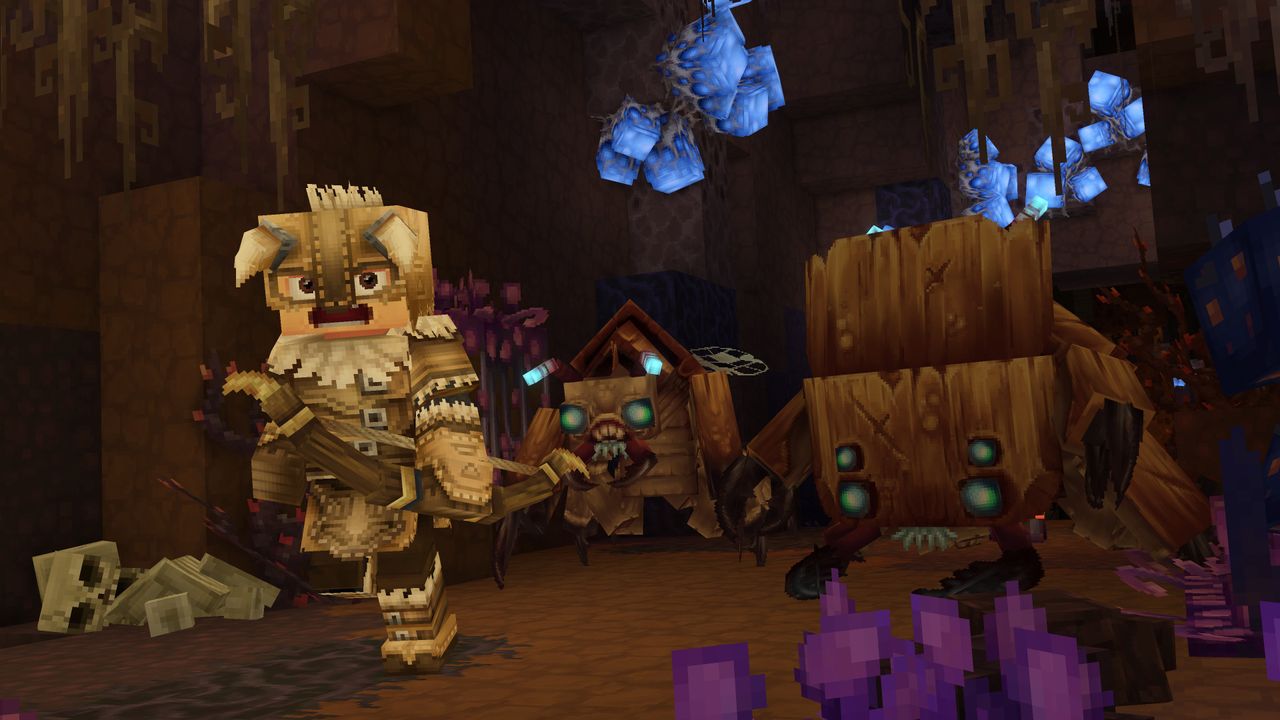
Since its initial reveal in 2018, Hytale has transitioned from a highly anticipated modding project into a cornerstone of Riot Games’ long-term portfolio. Developed by Hypixel Studios, the project represents a significant shift in the sandbox RPG genre, aiming to bridge the gap between user-generated content (UGC) and high-fidelity role-playing experiences. While the initial 'hy' time for release has seen multiple shifts, the underlying business logic suggests a calculated move toward infrastructure stability over a rushed launch. For stakeholders and enthusiasts alike, understanding the technical hurdles and engine migrations is paramount to gauging the game's eventual impact on the market.
Read Also: Technical Analysis: The Market Viability and Infrastructure of Sand: Raiders of Sophie
Technical Overhaul: The Shift to a Unified C++ Engine
One of the most critical updates in Hytale’s development history is the decision to rebuild the game engine. Originally developed in Java and C# for the client and server respectively, the team opted to migrate the entire codebase to a unified C++ engine. From a performance standpoint, this is a massive undertaking with significant long-term benefits. C++ allows for better memory management and hardware-level optimization, which is essential for achieving cross-platform parity. This technical pivot ensures that the experience on high-end PCs remains consistent with mobile and console iterations, a feat that Minecraft has historically struggled with due to the divide between its Java and Bedrock editions.
The procedural generation systems in Hytale are designed to handle complex biomes and verticality that exceed current industry standards for block-based games. By leveraging a more efficient engine, Hypixel Studios can implement advanced lighting, real-time shadows, and complex AI behaviors without compromising the frame rate. This focus on performance scalability is a clear indicator that the developers are targeting a broad demographic, ranging from mobile users in emerging markets to enthusiasts with high-performance workstations.
Business Impact and the Creator Economy
From a business perspective, Hytale is not just a game; it is a platform. The acquisition of Hypixel Studios by Riot Games (a subsidiary of Tencent) in 2020 provided the financial runway necessary to undergo such extensive re-engineering. This partnership grants Hytale access to Riot’s global infrastructure, including anti-cheat technology, server distribution, and sophisticated monetization strategies. The goal is to create a sustainable ecosystem for creators. By providing professional-grade tools like the Hytale Model Maker and integrated scripting interfaces, the developers are lowering the barrier to entry for modders while ensuring that the content remains performant within the game’s architecture.
The market for sandbox games is currently dominated by Minecraft and Roblox, both of which have massive valuations. Hytale’s entry into this space is a direct challenge to the status quo. By offering a more cohesive RPG 'Adventure Mode' alongside its creative tools, Hytale seeks to capture the segment of the audience that finds Minecraft too aimless and Roblox too fragmented. The business risk lies in the prolonged development cycle; however, the strategic advantage of launching a polished, cross-platform product in a 'ready' state outweighs the benefits of an early-access release that could damage the brand's long-term viability.
The Persona’s Take: A Calculated Delay for Long-Term Dominance
In my professional assessment, the delay in Hytale’s release is a symptom of high-level strategic realignment rather than development hell. The decision to abandon the legacy engine in favor of a modern, unified stack is a move that reflects a mature understanding of the current gaming landscape. We are seeing a shift where cross-play and cross-progression are no longer 'features' but 'requirements' for any live-service title aiming for a multi-billion dollar valuation. By taking the time to rebuild now, Hypixel Studios avoids the technical debt that often plagues long-running titles.
Furthermore, the integration with Riot Games suggests that Hytale will likely feature a robust competitive scene and a highly regulated marketplace. For investors and analysts, the key metrics to watch will be the efficiency of the C++ engine upon public testing and the retention rates of the creator community during the initial beta phases. Hytale is positioning itself as the 'grown-up' version of the sandbox genre, and if the performance matches the marketing specifications, it could disrupt the market significantly upon its eventual deployment.
Conclusion: Navigating the Launch Window
While a definitive launch date remains undisclosed, the latest communications from Hypixel Studios indicate that the core engine work is nearing a functional milestone. The 'hy' time for release will likely coincide with a period where the mobile market is ready for a high-fidelity sandbox experience. As we look toward 2024 and beyond, the focus remains on how well the unified engine handles large-scale concurrency and whether the creator tools can truly democratize game development within its ecosystem. For now, the industry waits for a product that promises to redefine the technical boundaries of the block-game genre.
🏆 Gamer Verdict
8.2/10 HYPE
"Hytale is a high-potential sandbox platform backed by significant capital, though its extended development timeline poses a risk to its initial momentum."
✅ The Good
- Unified C++ engine ensures high performance and cross-platform parity.
- Backed by Riot Games' extensive global infrastructure and resources.
❌ The Bad
- Extended development cycle risks losing the interest of the initial 2018 hype audience.
- High market saturation from established giants like Minecraft and Roblox.
🌍 Global Quick Take
🇮🇳 Hindi: हायटेल के विकास और इसके तकनीकी ढांचे का एक विस्तृत विश्लेषण, जो इसके भविष्य के बाजार प्रभाव को दर्शाता है।
🇪🇸 Spanish: Un análisis detallado del desarrollo de Hytale y su arquitectura técnica, destacando su futuro impacto en el mercado.
Tags: #Hytale #HypixelStudios #RiotGames #GameDevelopment #C++Engine #SandboxRPG
Stay tuned for more gaming updates! Subscribe to our feed.
Source: Read Original Article
Comments
Post a Comment