TACTICAL GUIDE By Gamer Guide Desk Gameplay & Mechanics Analysis • Walkthroughs, loadouts, and tier lists Quick Takeaway Planeswalker will use a distinct visual language for every Magic plane, letting the animation echo each world’s lore, color palette, and tone. Expect sharper contrast between Dominaria’s classic look and Kaladesh’s neon‑tech vibe, which helps viewers instantly recognize the setting. Deep Dive: Mechanics, Performance, and Tactical Viewing Netflix’s series treats each plane as a self‑contained episode or arc, but the production pipeline shares core assets. The art direction team builds a master style guide for a plane, then hands it to storyboard artists, character modelers, and background painters. This modular approach keeps the budget predictable while delivering a fresh look each time. Key mechanics that drive the visual shift include: Palette Lock‑In: Before any line work begins, colorists lock the primary, secondary, and accent hues for the...
TACTICAL GUIDE
By Gamer Guide Desk
Gameplay & Mechanics Analysis • Walkthroughs, loadouts, and tier lists
Quick Takeaway
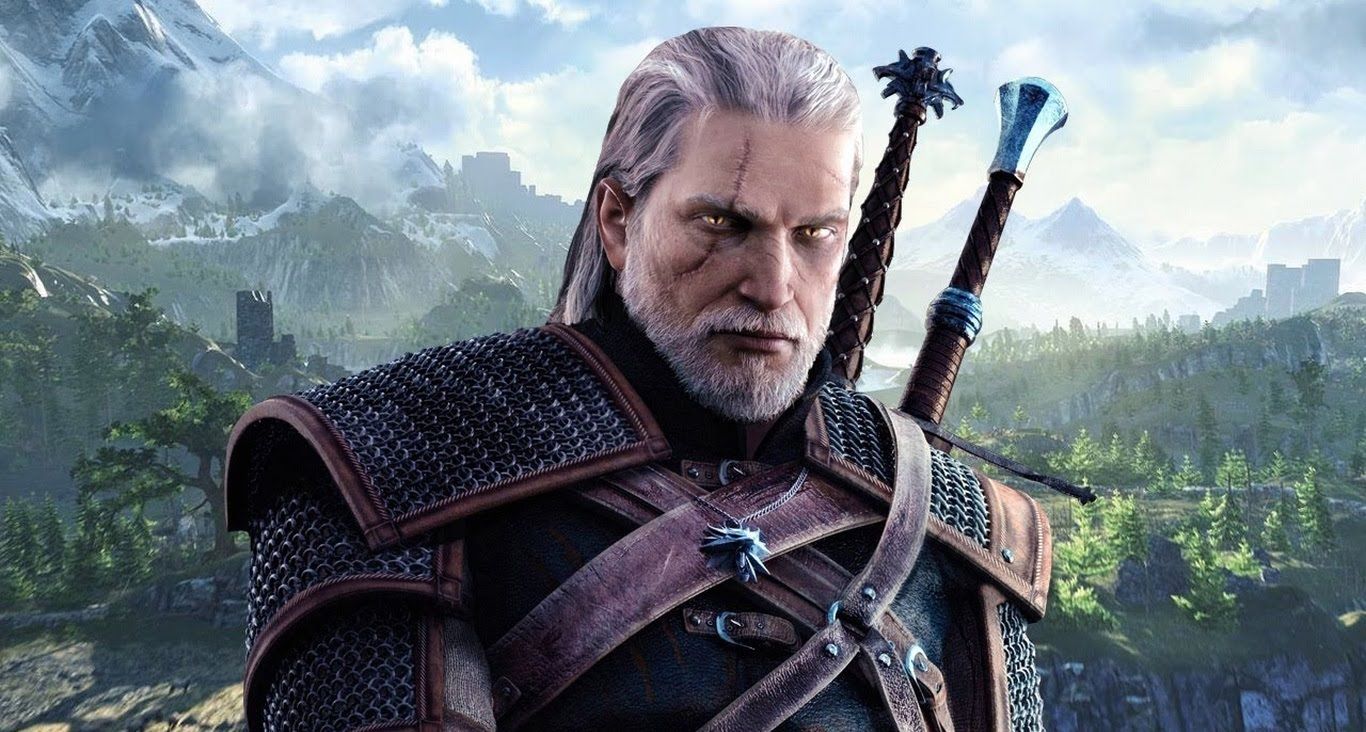
Quick Takeaway: CD Projekt Red used specialized AI voice conversion technology to restore Jacek Rozenek's performance as Geralt of Rivia after a stroke altered his speech. The studio combined fresh audio recordings with trained voice models from previous Witcher titles, keeping the original actor actively employed, fully compensated, and in complete creative control.
The Technical Framework: Voice Conversion vs Synthesis
Understanding how CD Projekt Red modified Jacek Rozenek's voice requires separating voice conversion from text-to-speech generation. Simple synthetic text-to-speech converts written dialogue into artificial sound waves using machine algorithms. This approach frequently sounds robotic, lacks natural breath control, and struggles with localized emotional performance. CD Projekt Red chose a voice-to-voice conversion system instead, matching the technical methodology previously deployed for the Polish localization of Cyberpunk 2077 Phantom Liberty.
Under this pipeline, an actor provides the base performance in the recording booth. The performance captures exact timing, pitch variance, breathing patterns, and emotional intensity. The trained machine learning algorithm then acts as a acoustic filter. It transforms the physical timbre and formant frequency of the incoming audio track to match Rozenek's classic vocal baseline from prior Witcher releases. The algorithm modifies the acoustic fingerprint while preserving the underlying human dramatic delivery.
Production Benchmarks and Pipeline Integration
Integrating AI voice matching into an established AAA localization workflow requires strict audio quality benchmarks. Raw AI output generates digital artifacts, specifically high-frequency phase issues and unnatural consonant clipping. Audio engineers must run transformed tracks through rigorous post-processing chains to maintain fidelity alongside standard vocal tracks.
- Source Data Density: The model trained on hundreds of hours of isolated vocal stems from The Witcher 1, 2, and 3, establishing a high-resolution acoustic profile.
- Latent Processing Overhead: Voice-to-voice processing adds specialized render passes to the dialogue pipeline, requiring manual cleanup for mouth clicks and formant shifts.
- Acoustic Matching: Spectral equalization maps the post-stroke vocal range to the original frequency response, smoothing out pitch instability caused by physical rehabilitation.
- Dynamic Range Preservation: Engineers capped the artificial gain adjustment to prevent dynamic compression, preserving Geralt's signature low-register whisper.
Ethical Protocol and Industrial Precedent
CD Projekt Red emphasized that using AI technology in this scenario was a special exception designed to protect a performer, rather than a strategy to cut localization budgets. When a medical emergency alters a long-term actor's vocal capability, studios historically faced two options: recast the role entirely or write the character out of future content. Both outcomes leave the original performer without ongoing employment.
The studio established a protective workflow by securing full authorization from Rozenek and his legal representatives. Rozenek recorded original lines in the studio to the best of his current physical ability, ensuring he retained primary performance ownership. The technical team then used the AI filter to clean up speech impediments caused by the stroke. This model guarantees the actor receives full contractual performance pay, royalty considerations, and direct creative oversight while protecting the auditory consistency of the franchise.
Tactical Lessons for Studio Dialogue Systems
Game developers evaluating AI voice tools can derive practical rules from this implementation. First, never attempt pure text-to-speech for critical narrative roles. Human performance remains mandatory to drive pacing, micro-pauses, and emotional resonance. The algorithm should function strictly as an equalization tool rather than a performance generator.
Second, isolate high-quality legacy dialogue assets early. Trained models require clean dry stems without embedded reverb, sound effects, or background music. Studios must maintain clean studio archives of primary voice talent to make ethical vocal restoration technically viable if sudden health complications arise during long-term game development cycles.
Quick Reference Breakdown
| Deployment Method | Performance Source | Actor Involvement | Production Cost | Audio Fidelity |
|---|---|---|---|---|
| Traditional Recording | Live Vocal Booth Session | 100% On-Site Performance | Standard Studio Rate | Maximum Natural Depth |
| Ethical AI Restoration (CDPR) | Live Recording + Voice Filter | Full Creative Participation | High (Tech + Actor Rates) | Near-Original Baseline |
| Full Text-to-Speech Synthesis | Algorithmic Text Script | Zero Active Recording | Low Initial Cost | Flat, Artifact-Prone |
🏆 Guide Score
9.2/10
"CD Projekt Red set a strong standard for ethical AI implementation by using technology to support an ailing actor rather than replace him."
✅ Key Highlights
- Preserves original iconic voice actor continuity
- Ethical framework ensures actor compensation and consent
- Maintains high narrative audio fidelity
⚠️ Things to Know
- Requires extensive clean legacy audio data
- Adds technical overhead to audio post-processing
- High financial investment compared to standard recasting
❓ Frequently Asked Questions
Why did CD Projekt Red use AI for Geralt's Polish voice actor?
Actor Jacek Rozenek suffered a severe stroke that altered his vocal control. CD Projekt Red used AI voice conversion to smooth out speech difficulties while keeping Rozenek actively performing the role.
Is CD Projekt Red replacing human voice actors with generative AI?
No. The studio explicitly clarified that this was a special case meant to assist a disabled actor. Human actors still record every line to supply the necessary emotional performance.
How does voice-to-voice conversion differ from synthetic text-to-speech?
Text-to-speech creates artificial audio entirely from written script files. Voice-to-voice conversion takes a live human performance in the recording booth and shifts the vocal timbre to match a targeted voice profile.
Was Jacek Rozenek compensated for the AI-assisted performance?
Yes. Rozenek was fully involved in the recording sessions, retained complete performance rights, and received standard compensation along with full technical credit.
Topics: #GamingNews #CDProjektRed #TheWitcher #GameDevelopment #VoiceActing #AITechnology
Stay tuned for daily free game alerts, error fixes, and competitive gaming guides!
Guide prepared and verified by Gamer Guide Desk • Tested across PC, Steam, and Mobile environments.
Comments
Post a Comment